Song Meaning
The lyrics paint a picture of someone chasing an elusive, perhaps illusory, ideal. The narrator observes this pursuit, noting the futility of running towards a mirage that's "too good to be true." This chase, however, is intrinsically linked to the narrator's own existence; "It is you who makes my heart beat." The narrator actively participates in this dream, coloring it "as white as possible," suggesting an effort to purify or simplify the unattainable. This duality highlights a core tension: the pursuit of something perfect while acknowledging the inherent difficulties of life.
The central conflict emerges from the contrast between the idealized pursuit and the harsh realities it ignores. The lyrics state, "Life is problems," yet this perspective is immediately qualified by the profound idea that "without this sorrow, happiness would be blind." This paradox is elegantly captured in the recurring refrain, "No rain without a sky," and "No sun without a shadow." These natural metaphors underscore that hardship and joy, light and dark, are inseparable elements of existence. The pain of growth, like "buds bursting," is presented not as an obstacle but as a necessary precursor to what follows.
The most striking craft element is the juxtaposition of grand, almost cosmic imagery with intimate, vulnerable actions. The image of drifting like a ship on a vast sea, with a "strong wind" but a "weak sail," speaks to a sense of powerlessness against external forces. Yet, this is immediately followed by the deeply personal act of the narrator "licking your wounds." The reference to "Major Tom" and the question, "What would all sweetness be without the saltiest tear-" further blend the epic with the deeply human, suggesting that even in moments of perceived triumph or escape, the underlying pain and struggle are what give experiences their true depth and meaning.
Ultimately, these lyrics resonate because they articulate a complex truth about the human condition: that suffering and joy are not opposing forces but intertwined necessities. The writing suggests that true fulfillment isn't found in escaping problems or chasing illusions, but in accepting the full spectrum of experience. The narrator's dependence on the other person, "Without you, my heart stops," anchors this universal theme in a specific, poignant connection, making the abstract concept of inseparable opposites feel deeply personal and emotionally charged.
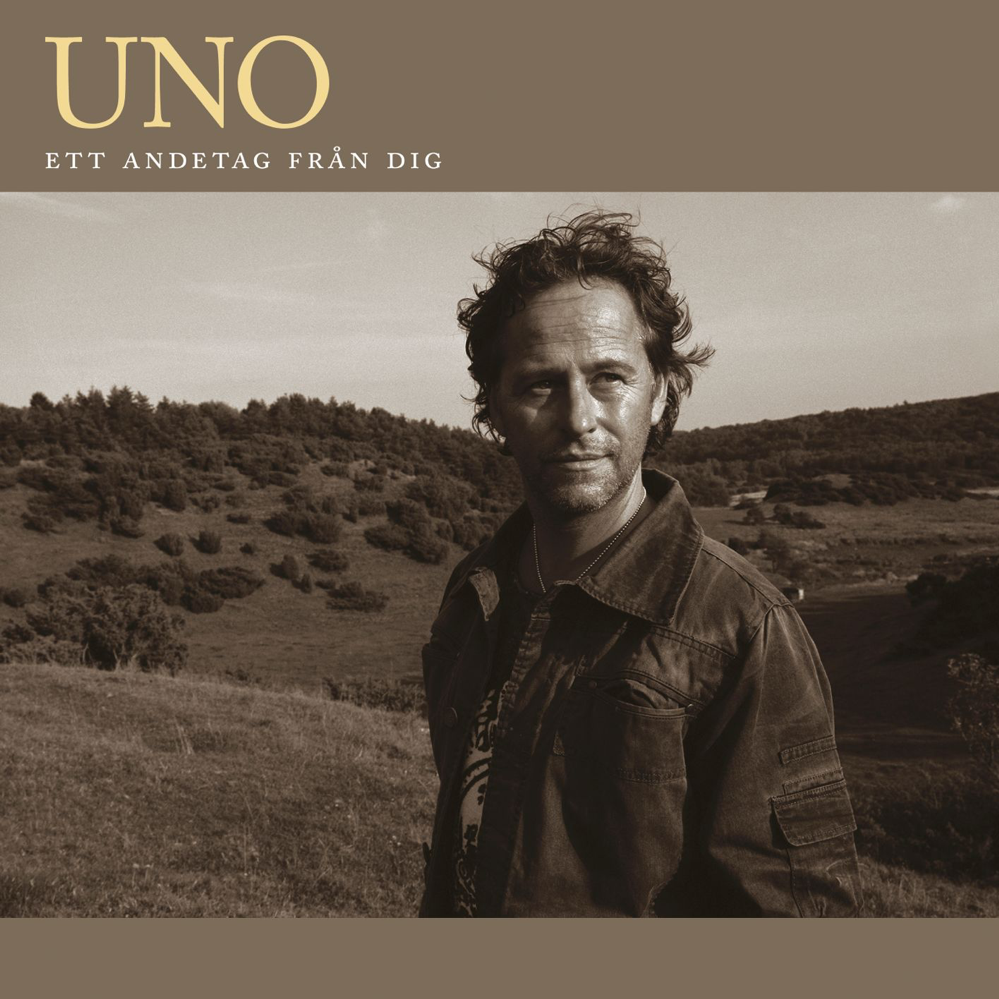
 View Artist