Song Meaning
The lyrics paint a picture of a sudden, disorienting realization that strikes the narrator, seemingly triggered by witnessing someone else's apology. This moment of clarity hits hard because it contrasts sharply with her own ingrained patterns of behavior. The initial shock comes from seeing someone offer a simple "Hey, hey I'm sorry," an act the narrator finds unprecedented in her experience, suggesting a profound emotional distance or inability to express remorse herself.
The central tension lies in the narrator's self-perception versus this new observation. She's accustomed to people leaving abruptly and staying away, and she herself seems to avoid direct confrontation or vulnerability. The repeated emphasis on "never" highlights a lifetime of emotional avoidance or perhaps a lack of reciprocal connection. This new experience forces her to confront her own defensive nature and her tendency to always need the last word, suggesting these are learned behaviors or defense mechanisms.
The most striking craft element is the mirroring between the two central figures. The first stanza focuses on his unprecedented apology, while the second half turns inward, revealing her own inability to apologize and her habitual defensiveness. The repetition of "December will be here, soon" and the later plea "Mama, he'll be home, soon" create a sense of impending change or a longing for return, but it's framed by the narrator's own internal reckoning. The lyrics suggest she now understands that someone else's actions have shaped her own reactive patterns.
This piece resonates because it captures that jarring moment when we see our own behaviors reflected back at us, often through the actions of others. The stark contrast between the observed apology and the narrator's own history of avoidance makes the realization potent. The writing effectively uses repetition and parallel structure to build a sense of ingrained habit, only to shatter it with a single, unexpected act of contrition, leaving the listener to ponder the roots of their own emotional responses.
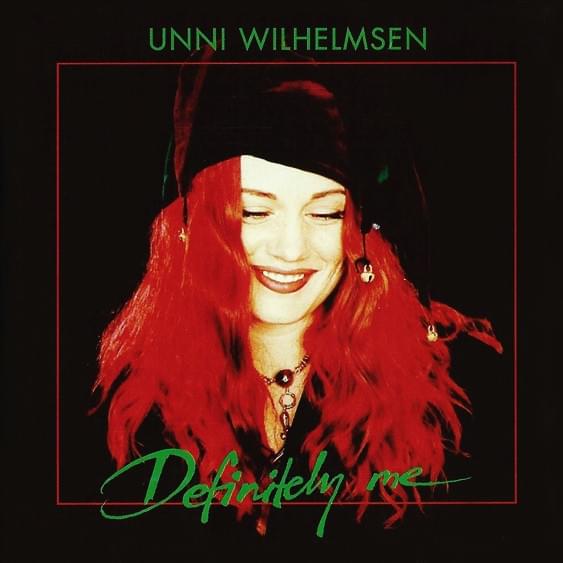
 View Artist