Song Meaning
The lyrics paint a picture of a relationship marked by a persistent, unsettling distance, even in close proximity. The narrator states, "I wasn't scared of you then / And I sure ain't scared of you now," establishing a baseline of fearlessness. Yet, this is immediately undercut by questions like "Do you really smile when you smile?" and the observation that the other person "don't know where you are / When you're here." This suggests a fundamental disconnect, a lack of genuine presence or understanding, despite the narrator's outward lack of fear.
The central tension arises from this paradox of closeness and emotional void. The narrator seems to be grappling with the other person's erratic nature, noting "You know you move too fast." There's a sense of missed opportunities and unfulfilled potential, highlighted by the "deal" that was struck but never acted upon: "Only sad we never tried it out." This unfulfilled promise creates a lingering melancholy, a quiet disappointment beneath the surface of their interactions.
The lyrics employ a fascinating contrast between physical growth and emotional stagnation. While the narrator observes "while your hair is growing / My hair is not," this isn't just about physical appearance. It seems to represent a divergence in their development or experience within the relationship. The narrator appears to be stuck, waiting for the other person to catch up or reveal their true intentions, as they ponder, "Maybe I'll figure out what / You wanted me to do." The repeated phrase "No, I won't fear you again..." acts as a mantra, a hopeful but uncertain declaration of future liberation.
Ultimately, the effectiveness of these lyrics lies in their quiet portrayal of emotional unease and the subtle ways it manifests. The narrator’s direct address and hesitant questions create an intimate, almost confessional tone. The focus on small, domestic details like hair growth and back massages, juxtaposed with profound questions about authenticity and presence, makes the emotional landscape feel both specific and deeply resonant. The ending offers a fragile hope for resolution, hinging on the possibility of understanding the other's desires and finding freedom from fear.
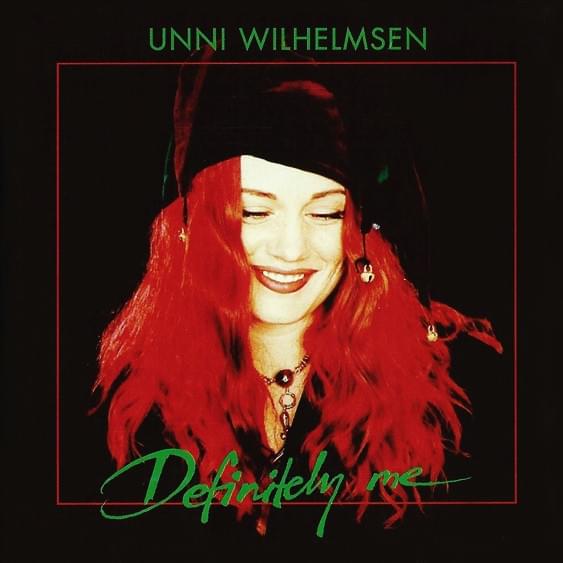
 View Artist