Song Meaning
The lyrics paint a picture of profound internal struggle, masked by a desire for normalcy. The narrator admits to a daily decline in their senses, a private battle they try to conceal. This personal crisis is amplified by a persistent, consuming thought of someone else, a fixation that seems to be both a comfort and a source of pain. The repeated phrase, "I've been thinking about you," acts as a mantra, grounding the abstract anxieties in a specific, personal connection.
The central tension arises from the narrator's feeling of decay and disorientation, contrasted with the object of their thoughts. While the narrator is "dyin' in my sleep" and struggling to "keep it straight inside," the person they're thinking about is described with a detached observation: "She knows what she likes / She doesn't know what she loves." This suggests a perceived imbalance, where the narrator's internal world is crumbling while the other person navigates their life with a different kind of uncertainty, perhaps one of indecision rather than existential dread.
The lyrics employ stark imagery to convey the emotional fallout. The idea of "pick[ing] up the pieces / Of the dreams that shattered that day" is particularly potent, hinting at a specific, traumatic event that fractured the narrator's sense of self and their shared past. The contrast between the "crowded room" and the internal "die a little / Cry a little" highlights a profound sense of isolation, even amidst external company. This feeling of being overwhelmed and fragmented is further emphasized by the desire for something "more rock than sand," a yearning for stability and permanence.
Ultimately, the effectiveness of these lyrics lies in their raw portrayal of vulnerability and the desperate search for grounding. The narrator's internal landscape is one of fading perception and emotional wreckage, yet their focus remains fixed on another person. This fixation, expressed through the simple, repeated refrain, suggests that even in the face of personal dissolution, the memory or presence of another can become the sole anchor, a fragile hope in a world that feels increasingly unstable.
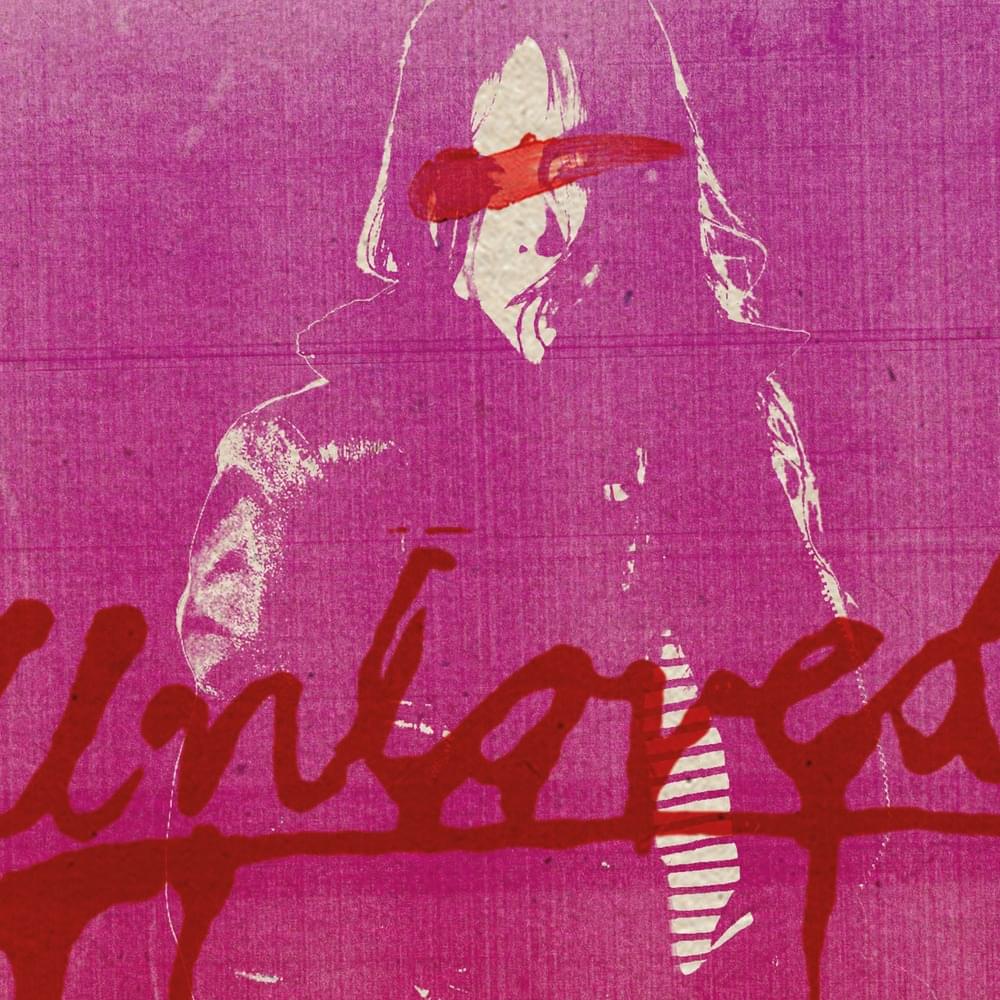
 View Artist