Song Meaning
The lyrics paint a stark picture of someone grappling with a profound sense of impending doom, questioning their fate. The repeated plea to the "Mirror, mirror on the wall" isn't about vanity, but a desperate search for an answer to a terrifying question: "Am I supposed to fall?" This refrain, hammered home with relentless repetition, underscores a feeling of helplessness and a surrender to circumstances beyond control. The narrator seems to be bracing for impact, acknowledging a potential end to their aspirations and happiness.
The central tension lies in the narrator's passive acceptance of a negative outcome, even as they acknowledge the possibility of enduring. "Dreams fade away" and "I know I can make it through another day" suggest a flicker of resilience, but it's immediately undercut by a sense of resignation: "There's nothing left to lose, so anyway." This duality creates a poignant conflict between the will to survive and the overwhelming feeling that collapse is inevitable. The imagery of "Tears in the rain" further emphasizes this, suggesting sorrow that is indistinguishable from the environment, destined to simply "drip away" unnoticed.
The most striking aspect of the writing is the stark, almost brutal imagery used to convey emotional devastation. The narrator anticipates a "Crash land, watch the impact," where "Life will shatter, never mattered." This visceral language strips away any pretense of hope, presenting a future where personal happiness has no place. The inability to "see" reflects a profound disorientation and loss of perspective, a common symptom of deep emotional distress. The repeated question to the mirror acts as a desperate, almost ritualistic, attempt to find external validation for an internal certainty of failure.
Ultimately, the effectiveness of these lyrics stems from their unflinching portrayal of despair and the raw, unadorned language used to express it. The relentless questioning and the stark imagery of shattering and fading dreams create a powerful sense of dread. The final "Look out, I'm falling now" isn't a cry for help, but a grim announcement, a final acknowledgment of the inevitable descent the narrator has been contemplating throughout. It's the sound of someone finally accepting the fall they've been dreading.
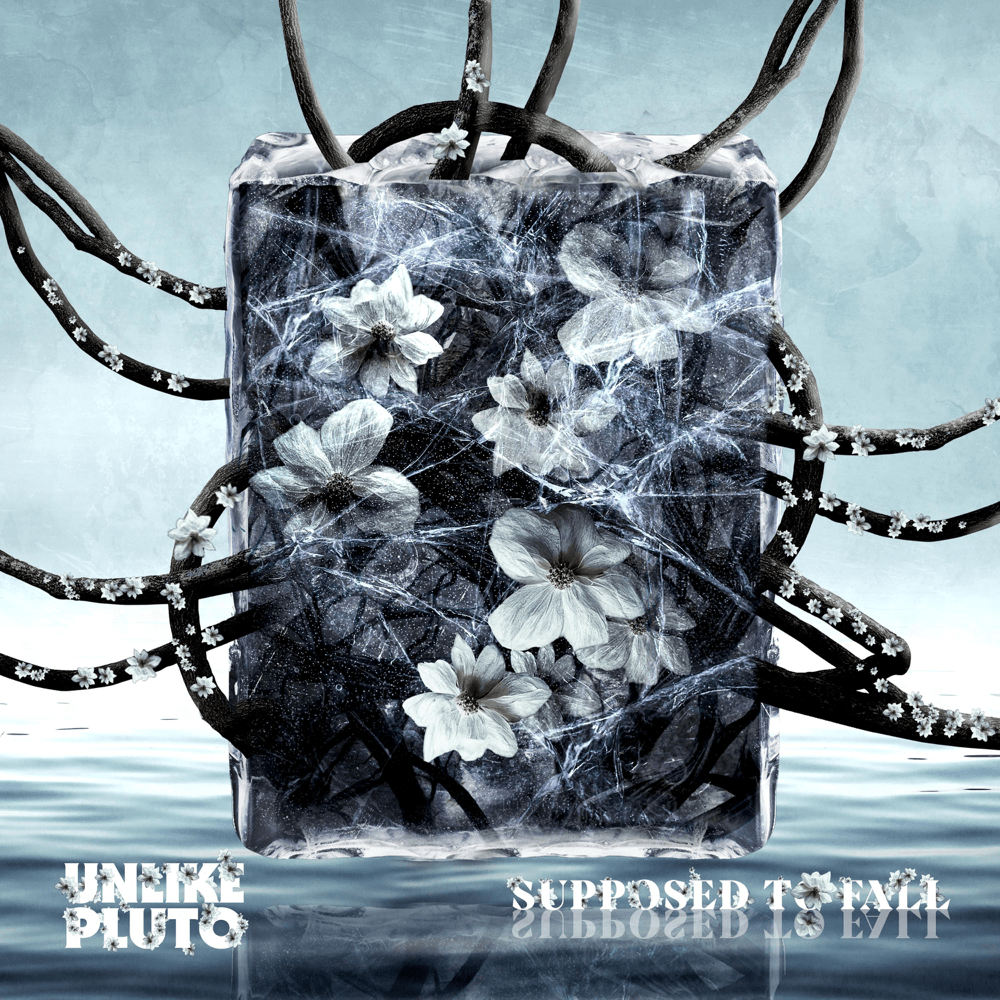
 View Artist