Song Meaning
The lyrics paint a stark picture of someone trapped in a digital world, unable to escape the allure of screens and virtual experiences. The opening lines immediately establish a sense of inescapable confinement, suggesting that even within the pixels one craves, a cage is being built. This sets a tone of dread, where the pursuit of digital immersion leads not to freedom, but to a self-imposed prison.
The central tension lies in the narrator's desperate attempt to flee reality, which is described as painful and undesirable. They "lie 'cause reality hurts inside," seeking solace in a "virtual haze" and a "digital paradise." This paradise, however, is ironically depicted as a "pitiful day" and the "end of days," highlighting the destructive nature of this digital addiction. The contrast between the perceived escape and the actual consequence is a core element of the song's emotional weight.
The repeated phrase "end of days but not of time" is particularly striking. It suggests a personal apocalypse, a point where the narrator's world has effectively ended due to their digital obsession, yet time continues its relentless march. This creates a sense of stagnation and eternal present within the digital realm, a "never-ending storytime" that is simultaneously captivating and ultimately hollow. The "oculus frenzy" and the "slinky" imagery, though abstract, evoke a disorienting, almost childlike obsession that masks a deeper despair.
Ultimately, the effectiveness of these lyrics stems from their raw portrayal of escapism gone awry. The narrator's struggle isn't just about liking technology; it's about a profound rejection of lived experience in favor of a manufactured one. The writing forces the listener to confront the potential for digital spaces to become prisons, where the "riot and parasite day" offers only a fleeting, destructive distraction from an inner pain.
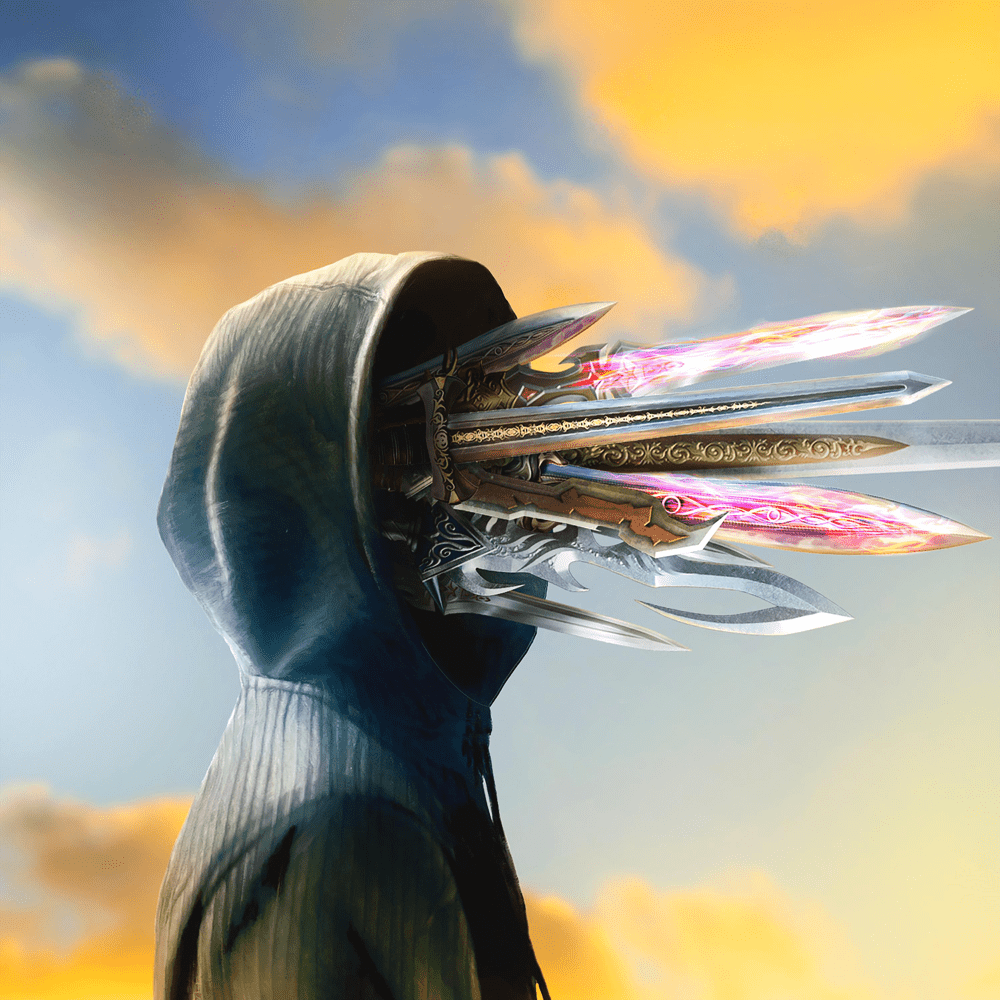
 View Artist