Song Meaning
The lyrics paint a stark picture of someone facing imminent conflict, stripped of everything but their own resolve. The opening lines establish a profound sense of loss, where "all you took from me was life," yet paradoxically, this devastation leads to a peculiar freedom: "I have nothing more to fear." This sets the stage for a defiant stance against an encroaching enemy, signaled by the repeated, ominous phrase "war comes again."
The central tension lies in the narrator's complex emotional response to this renewed conflict. There's a chilling duality: a stated lack of fear coupled with a visceral desire for vengeance, expressed as "I dream of your death." This isn't a plea for peace, but a grim anticipation of battle, even a longing for it, as the narrator declares, "Oh, how I long for the fight."
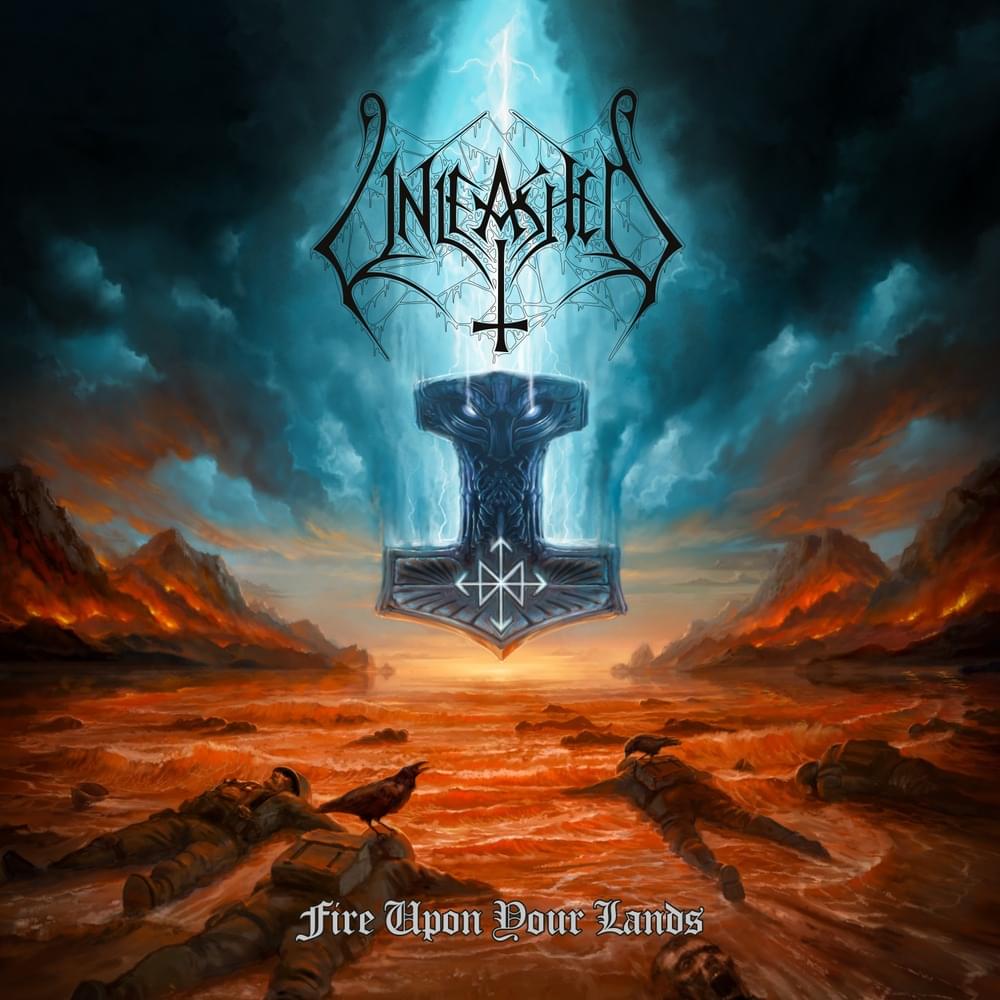
The writing masterfully blends personal grievance with mythological invocation. The address to "sons of the white light" suggests a specific, perhaps ideological, adversary, while the pleas to "Thor" and references to "Vaftrudner" and "Valhalla" ground the narrator's readiness for death in Norse lore. This elevates the personal struggle to an epic, fated confrontation, where the narrator sees themselves as a warrior ready to meet their destiny.
Ultimately, the power of these lyrics stems from their unvarnished portrayal of a spirit forged in extreme hardship. The narrative moves from profound loss to a state of fearless, almost eager, acceptance of death in battle. The repeated refrain of "war comes again" acts as a relentless drumbeat, underscoring the inevitability of the conflict and the narrator's unwavering, albeit grim, preparedness for it.
 View Artist