Song Meaning
The lyrics paint a stark picture of a battlefield's grim aftermath, where fallen soldiers are "scattered around" in a "cold aftermath" where "blood has dried at last." The dominant emotional tone is one of bleak finality and a profound sense of futility, underscored by the chilling repetition of the phrase "They came to die." This refrain acts as a blunt, almost nihilistic summation of the soldiers' fate, stripping away any pretense of glory or purpose.
The central tension arises from the apparent contradiction between the soldiers' actions and their ultimate outcome. They are described as on a "shameful march" with "weapons pointed at the ground," suggesting a lack of conviction or perhaps even a surrender before the fight even begins. Yet, they still advance, leading to the devastating conclusion that their very purpose was their demise, a thought echoed in the desperate cry, "Heavens cry, their souls have died."
The most striking craft element is the jarring juxtaposition of religious invocation and utter despair. The Latin phrase "In nomine Patris et Filii et Spiritus Sancti" (In the name of the Father, and of the Son, and of the Holy Spirit) is typically a blessing or a statement of faith, but here it precedes or is intertwined with the declaration "Death before loyalty." This creates a profound sense of spiritual abandonment, as if even divine protection offers no solace, and the ultimate allegiance is to oblivion itself, a sentiment captured in the line "Christ is dead or so it seems."
These lyrics hit hard because they refuse to romanticize conflict. The relentless repetition of "They came to die" hammers home the senselessness of the sacrifice. The imagery of soldiers marching with "weapons pointed at the ground" and the theological crisis of "Christ is dead" combine to create an atmosphere of profound disillusionment, leaving the listener with a chilling sense of wasted lives and broken faith.
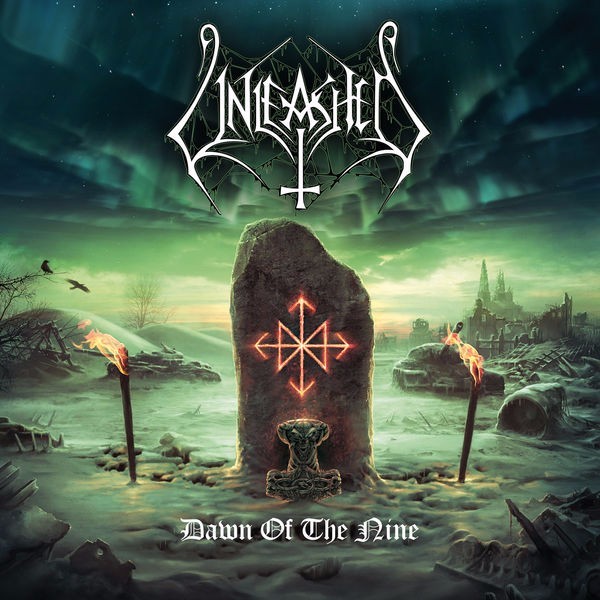
 View Artist