Song Meaning
The lyrics paint a stark picture of impending doom at Lindisfarne, a place described as a "holy land" and "church of god." The initial verses establish a scene of religious sanctity, grounding the listener in a specific time and place: "8th of June, in the year of 793." This peaceful, sacred setting is violently juxtaposed with the overwhelming threat that follows.
The central tension is the terrifying, inevitable arrival of an external force, articulated through the relentless repetition of "The longships are coming." This phrase acts as a drumbeat of dread, amplifying the sense of helplessness. The narrator's plea, "Oh lord, hear us pray / Save us from the norsemen's rage," underscores the desperation and the perceived divine abandonment in the face of this onslaught.
The most striking craft element is the sheer, unyielding repetition of the titular phrase. It’s not just a warning; it’s a sonic manifestation of the encroaching terror, leaving no room for hope or escape. The contrast between the "holy land" and the "norsemen's rage" creates a profound sense of violation, as the sacred is directly threatened by brutal force.
What makes these lyrics so effective is their brutal efficiency. They strip away narrative complexity to focus on the raw, visceral experience of being overwhelmed. The simple, direct language and the escalating repetition build an almost unbearable sense of dread, capturing the sheer panic of an unprepared, sacred community facing violent invasion.
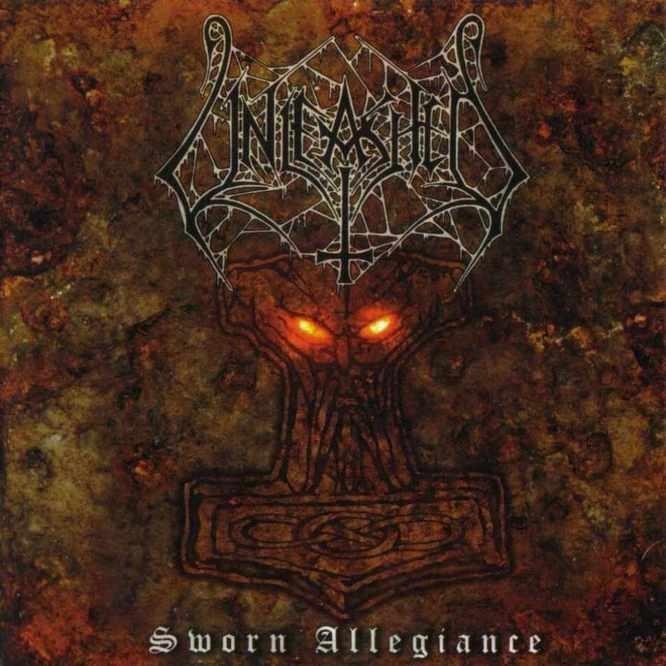
 View Artist