Song Meaning
The lyrics paint a stark, serene picture of a place called "the land of ice." It's a setting defined by silence, winter skies, and white snow, evoking a sense of profound peace and freedom. This isn't just a geographical location; it's an internal state, a personal sanctuary where the narrator feels their "soul is free." The repetition of "silent nights" and "land of ice" anchors this feeling, creating a meditative, almost ritualistic atmosphere.
The narrative deepens by connecting this personal freedom to ancestral roots and significant life events. The mention of "ancestors ground" and the mythical Sleipnir's hooves suggests a powerful link to heritage and perhaps a spiritual or mythological connection to this icy realm. The simultaneous presence of a newborn son and the narrator's own future "rest in peace" creates a poignant juxtaposition of new beginnings and ultimate endings, all contained within this sacred, timeless space.
The most striking element is the transformation of a potentially harsh environment into a place of ultimate solace and belonging. The "land of ice" is where "all shadows lay," implying a clarity and truth revealed in its starkness. It's a place where the narrator's "eyes can see," suggesting a profound self-awareness and acceptance that comes from being in this specific, isolated environment. This isn't about escapism, but about finding a profound sense of self and peace in a chosen, deeply personal landscape.
This lyrical construction is effective because it grounds abstract feelings of freedom and peace in concrete, albeit evocative, imagery. The consistent, almost mantra-like repetition of key phrases creates a powerful emotional resonance, drawing the listener into the narrator's internal experience. The lyrics suggest that true peace isn't found in abundance or warmth, but in a stark, ancestral land where one can be wholly oneself, from birth to final rest.
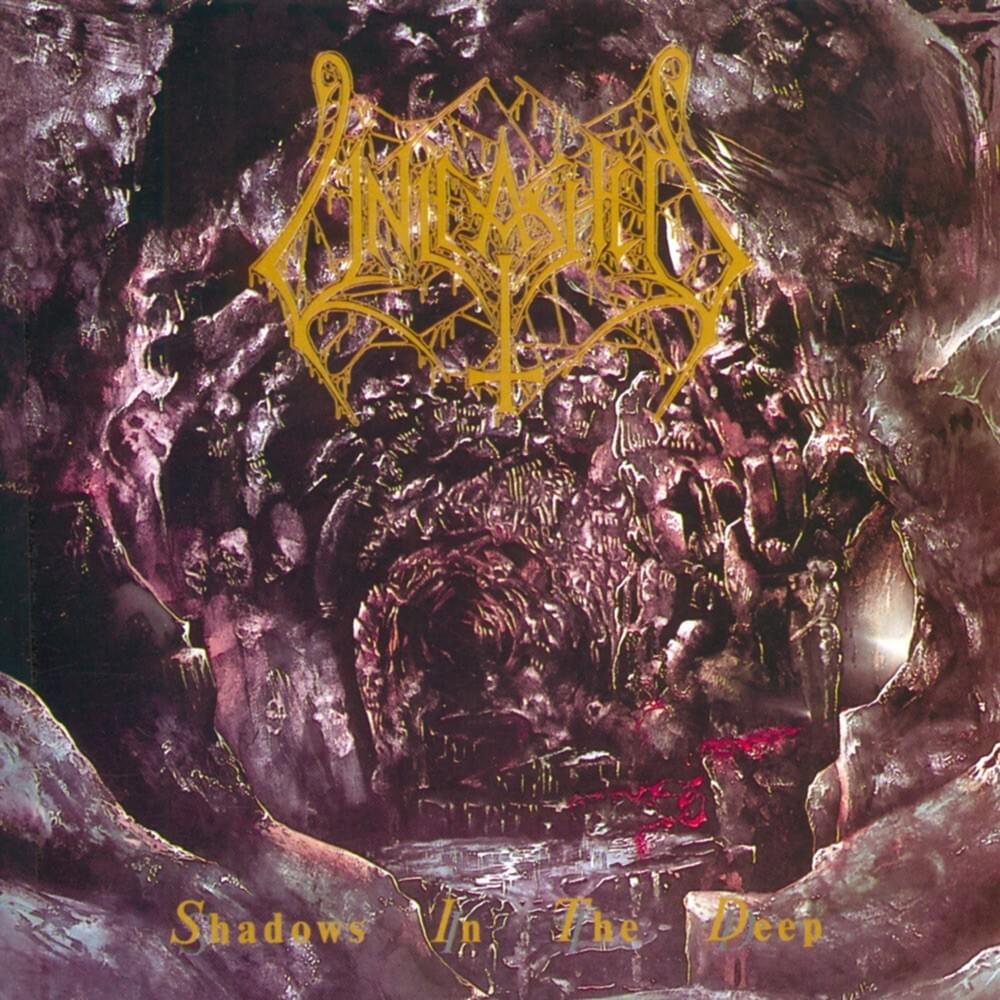
 View Artist