Song Meaning
The lyrics paint a stark, visceral picture of profound suffering and a final, weary acceptance. The opening plea, "Father, oh father, forgive them," immediately establishes a tone of immense pain coupled with a surprising act of grace, suggesting the speaker is enduring something terrible at the hands of others who are unaware of their actions. This sets up a central tension between the speaker's agony and their plea for divine mercy on their tormentors.
The core of the emotional weight lies in the repeated, almost gasped declarations: "I thirst" and "It is finished." These short, impactful phrases cut through the longer, more desperate questions. The thirst is a literal, physical need, but "It is finished" carries a heavy finality, signaling the end of a monumental struggle or ordeal. The repetition of "My master, my servant, why hast thou forsaken me?" underscores a feeling of abandonment, not just by a divine power but also by those who should be closest, creating a profound sense of isolation amidst the suffering.
The craft here is in its raw, unadorned directness. The contrast between the plea for forgiveness and the raw expression of pain – "Oh, the pain, as the nails sink in" – is jarring. The lyrics don't shy away from the physical reality of the torment, but they frame it within a spiritual context, questioning "was I not free from sin?" This juxtaposition of physical agony and spiritual inquiry is what gives the piece its gut-wrenching power. The final lines, a surrender of spirit into divine hands, offer a resolution, but one born from immense tribulation.
Ultimately, the effectiveness of these lyrics stems from their unflinching portrayal of suffering and the complex emotional state it engenders. The speaker moves from a plea for forgiveness to expressions of abandonment and physical agony, culminating in a quiet, resigned declaration of completion. This arc, rendered in simple yet potent language, creates a powerful sense of finality and profound, almost unbearable, peace found peace.
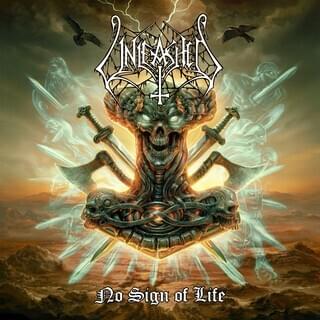
 View Artist