Song Meaning
This intro immediately throws the listener into a defiant and aggressive stance, announcing a return with a clear target: perceived enemies and jealous individuals. The opening lines, "kta po dojn ma rrzu katilin / Po kerkush s'po mun me rrzu," establish a narrative of being targeted but unshakeable, setting a tone of raw power and resilience. The subsequent "Guess who is back" and direct address to "xhelozat" (jealous ones) amplify this confrontational energy, framing the speaker as a formidable force that rivals cannot overcome.
The core tension lies in the speaker's self-proclaimed status as a "BLOODY ALBOZ" and a "REBELI" who has returned, challenging anyone who speaks ill of them. The lyrics pulse with a confrontational spirit, daring opposition and relishing in the fear or envy it might provoke. The repeated "yeah" and laughter ("Hehe yeah," "Heheh") underscore a sense of swagger and confidence, almost daring anyone to question their presence or authority.
What's striking is the unfiltered, almost primal declaration of identity and intent. The phrase "kallzoi krejt pidhav qe REBELI u kthy" is a blunt assertion of dominance, leaving no room for ambiguity. The speaker explicitly calls out "xhelozat" and dismisses potential detractors with a dismissive "nese dikush han mut per mu ateher let vazhdon heh," indicating a complete disregard for criticism. This raw, unapologetic delivery is the engine driving the track's immediate impact.
The effectiveness of these lyrics stems from their directness and the potent imagery of an unyielding figure. The speaker isn't just stating they're back; they're embodying a persona that thrives on conflict and self-affirmation. The closing lines, expressing "dashni per SHQIPËT E PËRGJAKSHME" (love for the bloody Albanians) and those who love them, add a layer of fierce loyalty to their own, contrasting sharply with the aggressive dismissal of others. It’s this blend of defiance, pride, and targeted aggression that makes the intro so potent.
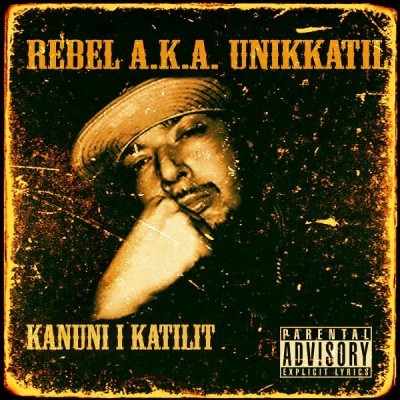
 View Artist