Song Meaning
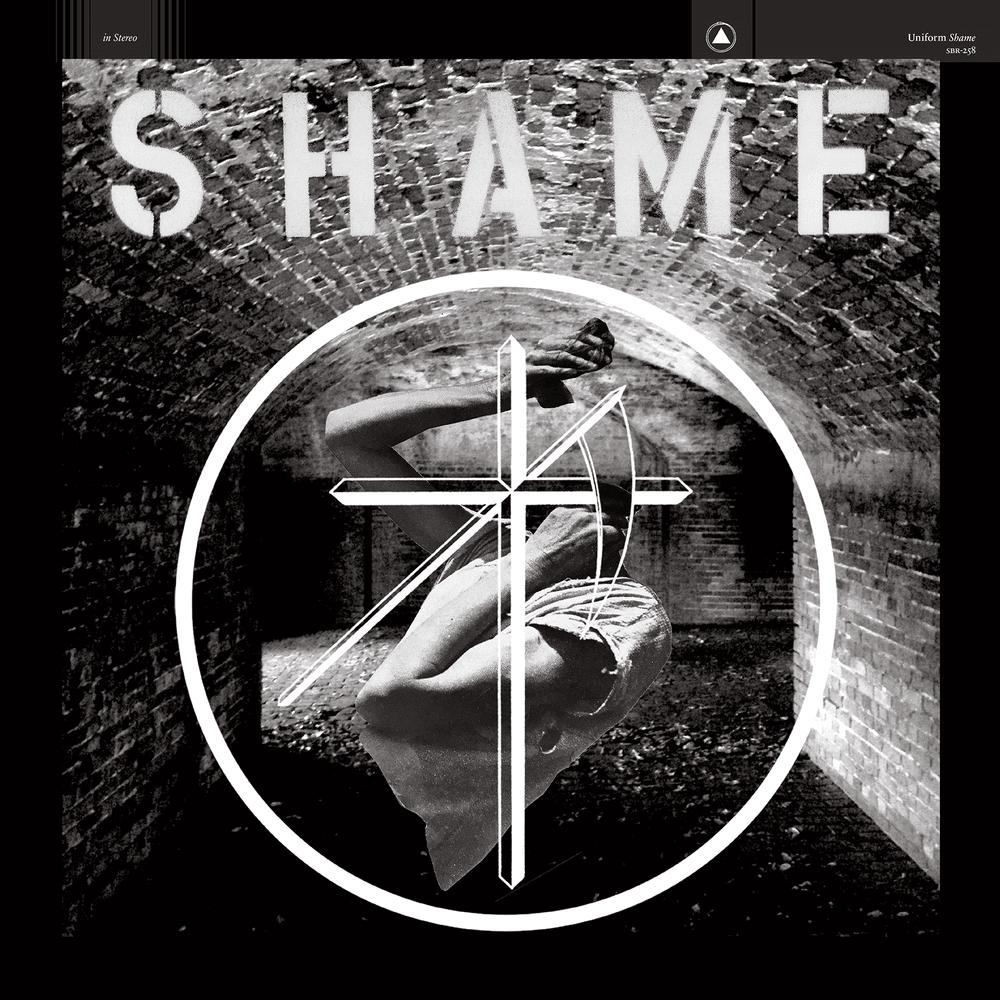
The lyrics paint a stark picture of self-inflicted isolation and anticipated retribution. The narrator feels a profound sense of impending doom, believing everyone they've known, from the "best of them" to "the ones I ruined," will eventually turn against them. This isn't just a passive observation; there's a conviction that these people will "slaughter me in turn," experiencing their "fury" and "loss." The imagery of being "up on that cross" suggests a self-imposed martyrdom or a feeling of being unjustly punished, yet also a strange comfort in that suffering.
The core tension lies in the narrator's paradoxical relationship with blame and consequence. They acknowledge being the architect of their own downfall, admitting to having "wrongly destroyed" others, yet simultaneously frame their suffering as something "inflicted upon me." This creates a loop where personal responsibility is both recognized and deflected, leading to a resigned acceptance of external blame. The repetition of "Everything's always exactly the same" underscores a feeling of inescapable, cyclical destruction.
The most striking element is the repeated, almost passive acceptance of punishment: "And if the rope fits / Well, I guess I'll wear it." This phrase, delivered with a weary resignation, highlights a profound lack of agency or will to escape their fate. It’s a chilling admission of guilt and a surrender to whatever consequences await, suggesting a deep-seated belief that they deserve whatever punishment comes their way. The casualness of "I guess I will wear it" amplifies the sense of a predetermined, bleak outcome.
 View Artist