Song Meaning
The lyrics paint a picture of profound disillusionment with a mundane existence, framing suffering not as an end, but as a necessary catalyst. The narrator seems to perceive their current reality as a "mockery," a dullness that requires a harsh "remedy." This suggests a deep-seated dissatisfaction, a feeling that the everyday is a pale imitation of a more vibrant, perhaps spiritual, experience. The "ritual void" and "cave life" contrast sharply with the "parallel life of the stimulated," hinting at a world where genuine experience has been replaced by artificiality or superficial engagement. The narrator is clearly seeking something more profound, something that transcends this perceived emptiness.
The central tension arises from the weariness of the "wavering world" and the narrator's subsequent "solitary path of seeking." This quest is not for simple comfort, but for moments of "majesty" and "truth," visualized through powerful natural imagery like "reincarnated storms" and "waves of truth." The repeated desire for an "ocean" signifies a yearning for depth, immensity, and perhaps a cleansing or overwhelming experience that will break through the stagnation. The act of stepping "inside the night" and encountering "petrified moments" suggests a confrontation with stillness or even death, a necessary precursor to rebirth or revelation.
The most striking craft element is the juxtaposition of the mundane and the cosmic, the artificial and the elemental. Phrases like "cave life" and "tallest forest" are set against "Luciferian infiltration" and the "Tree of life tied to roots of inner earth." This creates a sense of a grand, almost Gnostic struggle happening within the narrator's consciousness. The idea of "reincarnated storms" and "waves of truth" appearing twice, once before and once after the pivotal "Unveiled" moment, emphasizes their importance as recurring motifs in this internal odyssey. The lyrics suggest a process of shedding the superficial to find a deeper, more elemental reality.
Ultimately, the effectiveness of these lyrics lies in their evocative, almost mystical language that bypasses literal narrative for emotional and spiritual resonance. The narrator's journey from perceived "dullness" to a quest for "majesty" feels urgent and deeply personal, even without explicit details of their situation. The imagery of storms, oceans, and ancient trees creates a powerful sense of scale, making the internal struggle feel epic. The final lines, with the "Tree of life" rooted in the "inner earth," offer a sense of profound, albeit challenging, discovery, suggesting that the answers sought are not external but deeply embedded within.
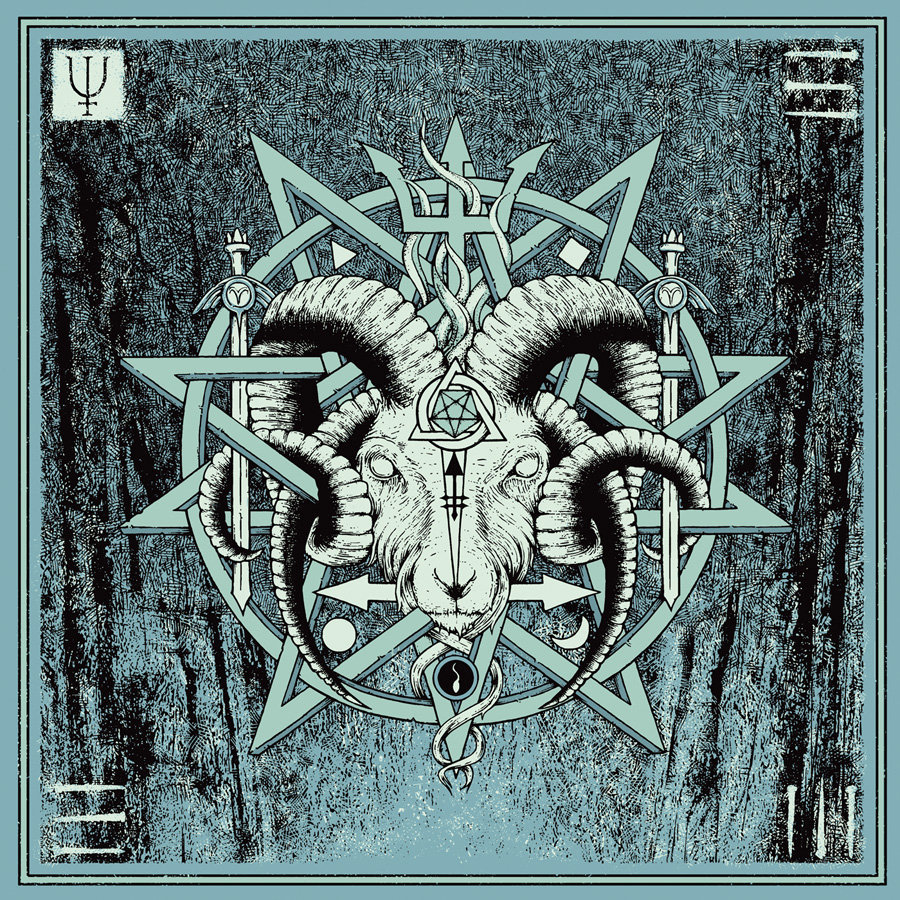
 View Artist