Song Meaning
The lyrics paint a stark picture of a group emerging from a state of hidden suffering, ready to be seen. The opening lines, a "toast for our sins," immediately establish a tone of grim acceptance, suggesting a past defined by primal urges that led them into a dangerous, vulnerable position. The imagery of being "thrown to the wolves" and the "nameless were all buried long ago" creates a sense of profound isolation and erasure, a collective past where individuals were lost and forgotten.
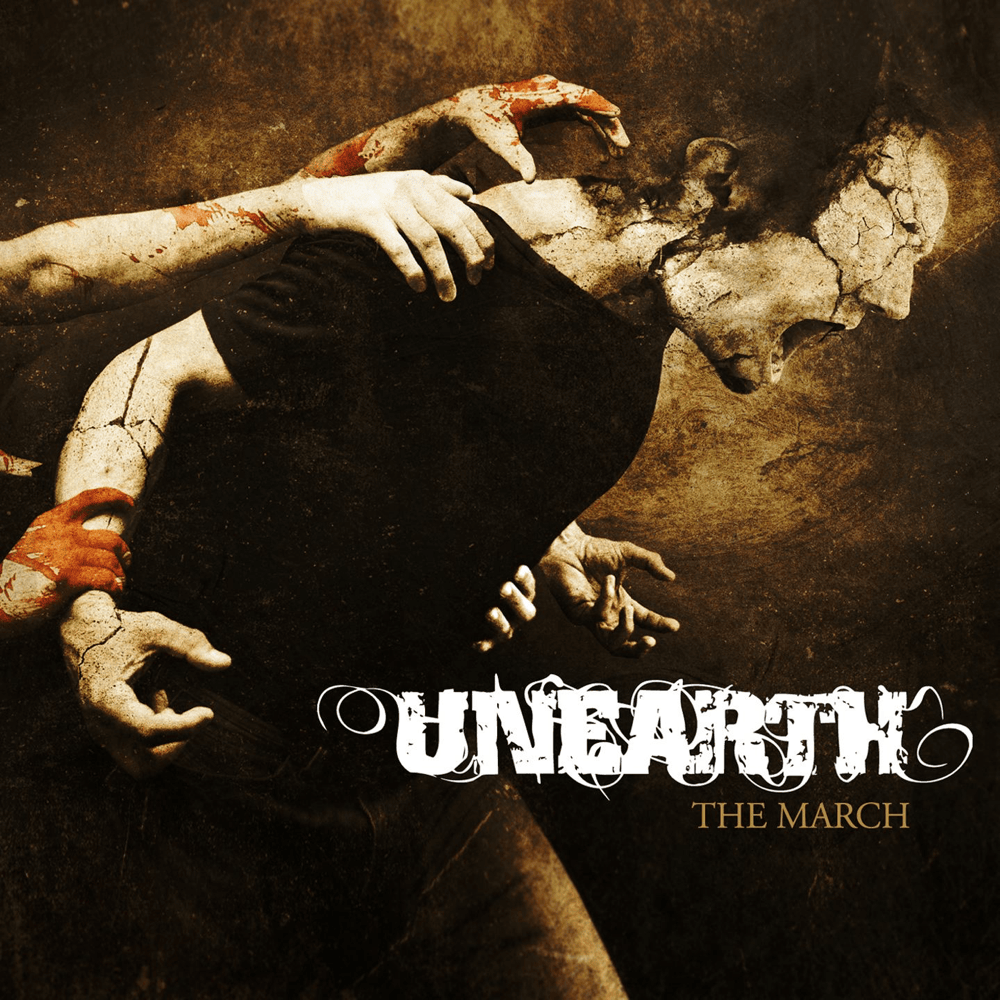
This sets up the central declaration: "We are not anonymous." This refrain acts as a defiant assertion of existence and visibility after a period of being unseen or disregarded. The repetition of "The faceless burials are over" reinforces this shift, marking an end to their hidden, unacknowledged suffering. It’s a powerful statement of reclaiming identity and presence, moving from the shadows into the light, even if that light brings scrutiny.
The lyrics then introduce a new phase: "They can see us now." This visibility is tied to "The lines of freedom (Redrawn)," suggesting that their emergence is not just personal but has broader implications for their collective state. However, this newfound visibility is also framed by a sense of enduring burden, as they are "Held to our curse" and "bound to bear this cross." This implies that while they are no longer anonymous, their struggle and the weight of their past remain.
The final verses offer a glimpse of aspiration, proposing "A place for our dreams" as fertile ground to "plant the seeds / Of watch, reign and rule." This suggests a desire not just to be seen, but to exert influence and control after being powerless. The cyclical nature of the lyrics, returning to the core assertion of not being anonymous, underscores the ongoing significance of this transition from invisibility to acknowledged, albeit burdened, existence.
 View Artist