Song Meaning
The first section, "Banstyle," opens with a sense of impending revelation and a defiant, almost aggressive self-assurance. The narrator seems to be aware of something others don't, hinting at a future exposure with the line "They're gonna find out soon enough." This is juxtaposed with a strangely intimate and unsettling series of commands: "Loosen the strap where the two metal ends / Rest your head against the steel." The imagery here is stark and disquieting, suggesting a forced or uncomfortable intimacy, perhaps even a medical or interrogative context, culminating in the bizarre request to "show me a pink smile walking up the aisle."
The emotional core of "Banstyle" seems to reside in a tension between outward bravado and an underlying, perhaps disturbing, vulnerability or exposure. The narrator's assertion of being "so hot" clashes with the imagery of steel and a "noose," creating a disorienting effect. The repeated, almost ritualistic requests to "show me" various objects and body parts – a pink smile, something under a seat, a tiny drink – build a sense of unease. It feels less like genuine connection and more like a detached, clinical observation or a demand for performance under duress, all while the narrator claims to be "thinking of you still."
The craft in "Banstyle" relies heavily on jarring juxtapositions and surreal imagery to create its unsettling atmosphere. The shift from the confident opening to the claustrophobic, almost violent requests for disclosure is abrupt. The comparison of a "song like a squealing pig, like a train with wheels / In the dark with the four lights off" evokes a sense of primal, uncontrolled chaos, further amplified by the feeling of being "concealed." This deliberate use of disorienting language and imagery makes the listener question the narrator's state of mind and the nature of the interaction being described.
Ultimately, "Banstyle" is effective because it taps into a primal fear of exposure and loss of control, wrapped in a veneer of confident assertion. The lyrics don't offer easy answers, instead forcing the listener to confront a disquieting blend of bravado and unsettling intimacy. The fragmented, almost hallucinatory quality of the imagery leaves a lasting impression of unease and ambiguity, making the narrator's final claim of remembrance feel particularly poignant or perhaps even hollow.
"Sappy's Curry" shifts dramatically, presenting a rapid-fire montage of seemingly disparate archetypes and consumerist signifiers: "little legend, fishman, Nike man / Red stripe, blue Mercedes, big dog, salty man." This section feels like a chaotic inventory of modern life, a dizzying collection of identities and brands. The repetition of "Think I found the real stuff" after this barrage of images suggests a search for authenticity amidst superficiality, a moment of clarity or perhaps delusion after being overwhelmed by stimuli. The later imagery of "White crumbs across your bed" and "white jeans, black top" grounds the abstract list in a more intimate, perhaps illicit, scene, hinting that the "real stuff" might be found in personal connection or transgression, even as the external world ("gray clouds cover Bethnal Green") looms.
The effectiveness of "Sappy's Curry" lies in its ability to capture the fragmented nature of contemporary experience and the persistent human desire for genuine connection or meaning. The rapid-fire cataloging of images creates a sense of sensory overload, mirroring the way we consume information and identities today. The repeated refrain acts as an anchor, a hopeful or desperate declaration of having found something substantial. The shift to more intimate, albeit still somewhat cryptic, imagery in the latter half suggests that the "real stuff" might be found not in the grand pronouncements or brands, but in the quiet, perhaps messy, moments of human interaction and desire.
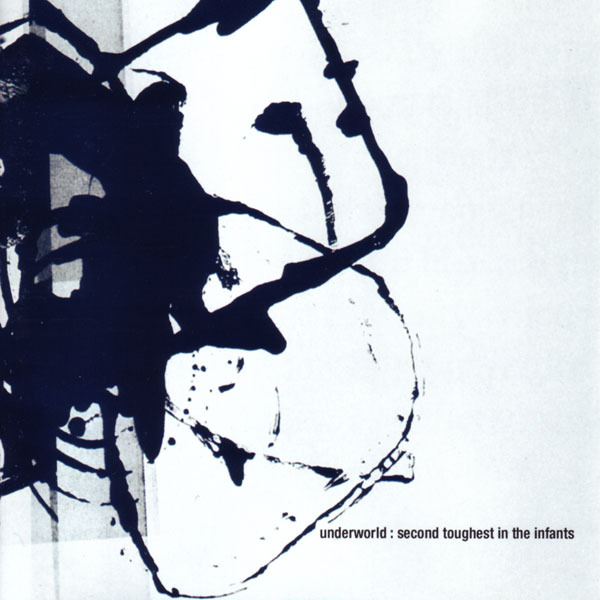
 View Artist