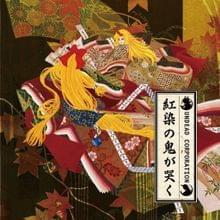
Song Meaning
This instrumental piece, titled "Karakurenai" and presented in a bamboo flute version, immediately evokes a sense of serene contemplation. The absence of lyrics places the entire emotional weight on the melody and instrumentation, inviting the listener into a purely sonic landscape. It suggests a mood that is both ancient and deeply personal, a space for introspection unbound by narrative.
The title itself, "Karakurenai," refers to a deep crimson color, often associated with traditional Japanese aesthetics and a certain vibrant yet controlled intensity. Paired with the bamboo flute, known for its breathy, ethereal, and sometimes melancholic tones, the piece seems to be exploring a complex emotional palette. It's a sound that could represent the quiet beauty of nature, the passage of time, or a profound inner feeling that words cannot fully capture.
The effectiveness of this instrumental lies in its ability to bypass direct storytelling and instead create an atmosphere. The bamboo flute's natural timbre, with its subtle imperfections and organic resonance, allows for a direct emotional connection. It feels like a voice speaking without words, its phrasing and dynamics conveying a narrative of feeling rather than event. The "Karakurenai" aspect hints at a richness beneath the surface, a depth of emotion that the flute's delicate voice articulates with grace.
Ultimately, the piece offers a sanctuary for the listener's own emotions and interpretations. It doesn't demand a specific understanding but rather provides a canvas for personal reflection. The blend of the evocative title and the pure, unadorned sound of the bamboo flute creates a powerful, wordless expression that resonates on a fundamental, emotional level.