Song Meaning
The lyrics paint a picture of a hesitant, almost clandestine courtship, where the narrator meticulously prepares to meet someone special. There's a palpable sense of anticipation, a desire to escape the judgment of others and find solace in this connection. The repeated actions of waiting, whistling softly, and dreaming suggest a deep yearning for reciprocation and a carefully constructed fantasy around this person.
The central tension lies in the narrator's uncertainty about the other person's true feelings. While the narrator is clearly devoted, asking "ti amo o no" (I love you or not) and dreaming of "tante verità" (so many truths), the response is ambiguous. The phrase "non lo fa chiaramente" (she doesn't do it clearly) highlights this doubt, creating a push-and-pull between hope and insecurity. This uncertainty is amplified by the narrator's own conditional commitment: "esco da lì, se non è così, come un pazzo me ne andrò" (I'll leave there, if it's not like that, I'll leave like a madman).
The recurring image of her blue eyes, initially described as not revealing things clearly, shifts in the latter half. The narrator anticipates that she "lo farà chiaramente" (will do it clearly), suggesting a hope for directness and honesty. This shift mirrors the narrator's own evolving desire for more, "vorrò di più se mi amerà veramente" (I'll want more if she truly loves me). The contrast between the initial ambiguity and the desired clarity is a key driver of the song's emotional arc.
Ultimately, the lyrics resonate because they capture the vulnerable space of early romance, where intense feelings are met with the fear of rejection. The narrator's idealization of "lei" (her) as the source of all happiness and truth, "È tutto quello che vorrei" (She is everything I would want), makes the potential for her "dice di no" (says no) all the more poignant. The delicate balance between devotion and doubt, beautifully rendered through simple, evocative imagery, makes this a deeply felt portrayal of longing.
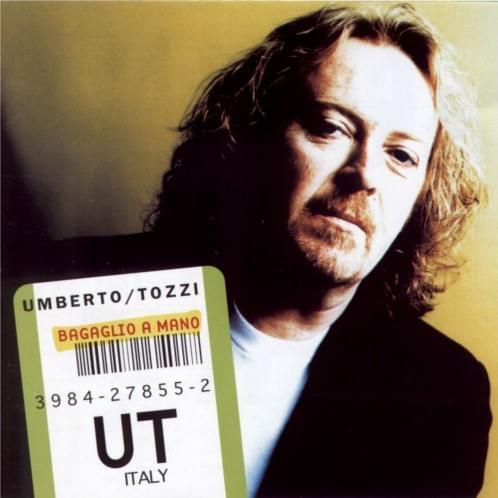
 View Artist