Song Meaning
The lyrics paint a vivid picture of a night fueled by heavy drinking, leaving the narrator disoriented and emotionally numb. The opening lines, "Quanto ho bevuto ieri sera / Che ore sono? chi lo sa!", immediately establish a sense of lost time and a desperate attempt to regain control: "La testa da che parte gira? / Fermala!". This sets a tone of internal chaos, amplified by the external scene of an "atmosfera irlandese" and a "cielo rosso giù in città," suggesting a gritty, perhaps volatile, urban environment. The presence of "lei cercava rissa senza pietà" introduces a confrontational element, contrasting with the narrator's own inability to express emotion, as they "Ho riso, piangere non so."
The core of the song's emotional weight lies in a profound sense of finality and emotional sealing off, captured by the repeated refrain "Chiuso." This state is described as "lacrime di pioggia / Sui vetri e sul tuo viso," a melancholic image of sorrow that blurs the external world and the memory of a loved one. The narrator feels "Chiuso senza spifferi / Di felicità," indicating a complete lack of joy or escape, a deliberate shutting down. This is rationalized with a stoic resolve: "E così si fa / Così si fa," suggesting a learned, perhaps painful, acceptance of this emotional state.
The lyrics explore a complex relationship with loss and self-preservation through the concept of "Chiuso." The narrator finds a strange resilience in this state, asserting, "non si è mai perdenti / Finché ci sbatti i denti." This implies that as long as one experiences the sharp pain of existence, there's a form of life, a cycle of "nascere / E morire un po'." The desire to move forward is evident in "Così farò / E così farò," a commitment to this self-imposed closure, even as it acknowledges the pain.
Ultimately, the effectiveness of these lyrics stems from their raw portrayal of emotional withdrawal as a coping mechanism. The imagery of "lacrime di pioggia" on glass and a face, combined with the feeling of being "senza spifferi di felicità," creates a palpable sense of isolation. The narrator's struggle to connect, wanting to call but not doing so, and the acknowledgment that "l'estate dura un giorno," highlights a deep-seated fear of fleeting happiness and a preference for the predictable pain of being "Chiuso" over the vulnerability of potential loss. The repeated "Chiuso" becomes an anthem for enduring emotional hardship through deliberate detachment.
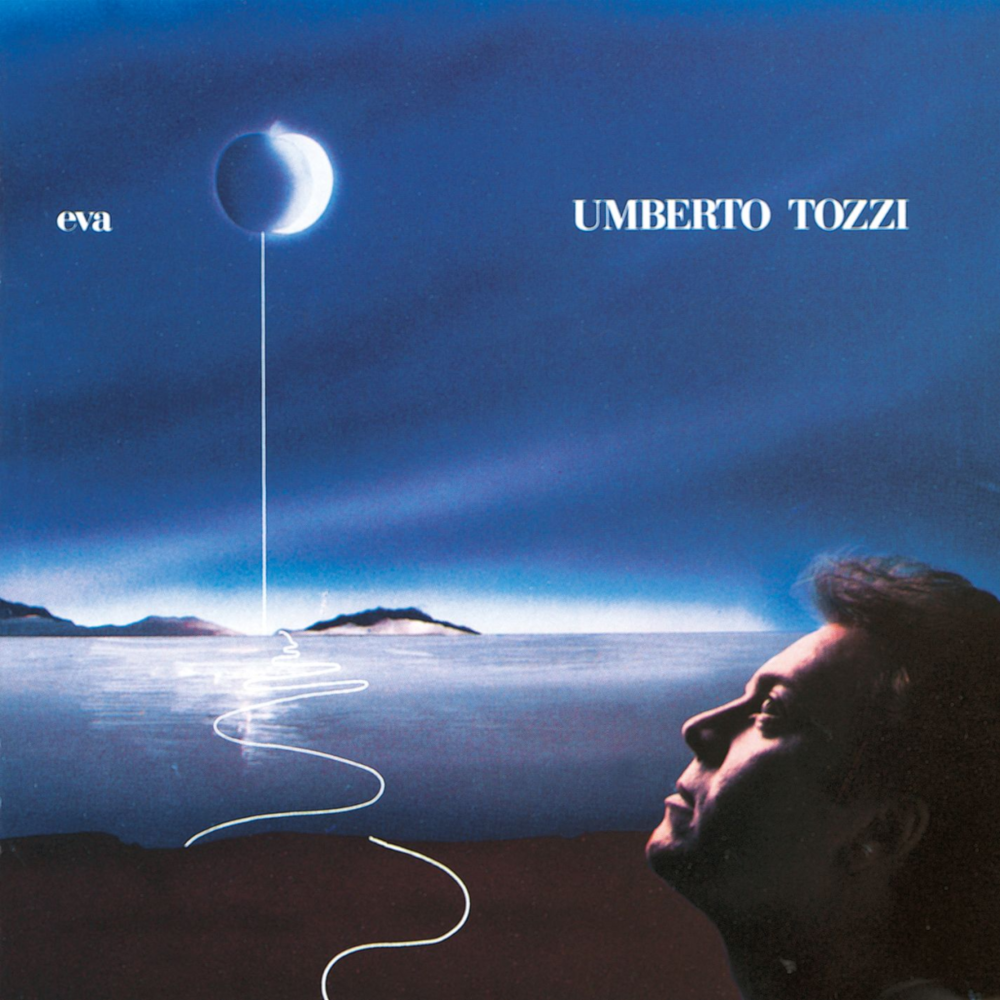
 View Artist