Song Meaning
The lyrics paint a picture of a relationship's painful end, framed by a recurring motif of "aria" – air, emptiness, and a sense of being present yet hollow. The narrator acknowledges that love doesn't kill, but the pursuit of "freedom" has driven them apart, leading to a deliberate act of losing the other person to protect themselves from their gaze. This gaze, once tender, is now described as "dirty and gypsy," suggesting a loss of innocence and a shift towards something more cynical or untamed.
The central tension lies in the contrast between the lingering "air of love" in the heart and the feeling of emptiness, the "void of air." The narrator claims to have the "air of a man of today," implying a modern, perhaps detached, existence, yet this present self is defined by this internal void. Despite this, there's a resilient smile, a refusal to cry, suggesting an attempt to cope with the loss by embracing this new, air-filled state.
The most striking craft element is the multifaceted use of "aria." It signifies not just air but also a void, a feeling, and a present state of being. The shift from a "winter air" to an "area of sun of today" marks a change, perhaps a forced acceptance of a new reality after a painful breakup. The repetition of "Ho giusto l'aria di un uomo di adesso" and the concluding "Mi resta l'aria e sorrido" emphasizes this present, air-filled existence as the only tangible thing left.
This writing is effective because it captures a specific, almost existential ache of modern heartbreak. The abstract concept of air becomes a tangible representation of emotional absence and presence. The narrator's forced smile in the face of this void, coupled with the acknowledgment of past innocence ("we were even ridiculous"), creates a poignant, relatable portrait of moving on, even when it feels like you're just breathing empty air.
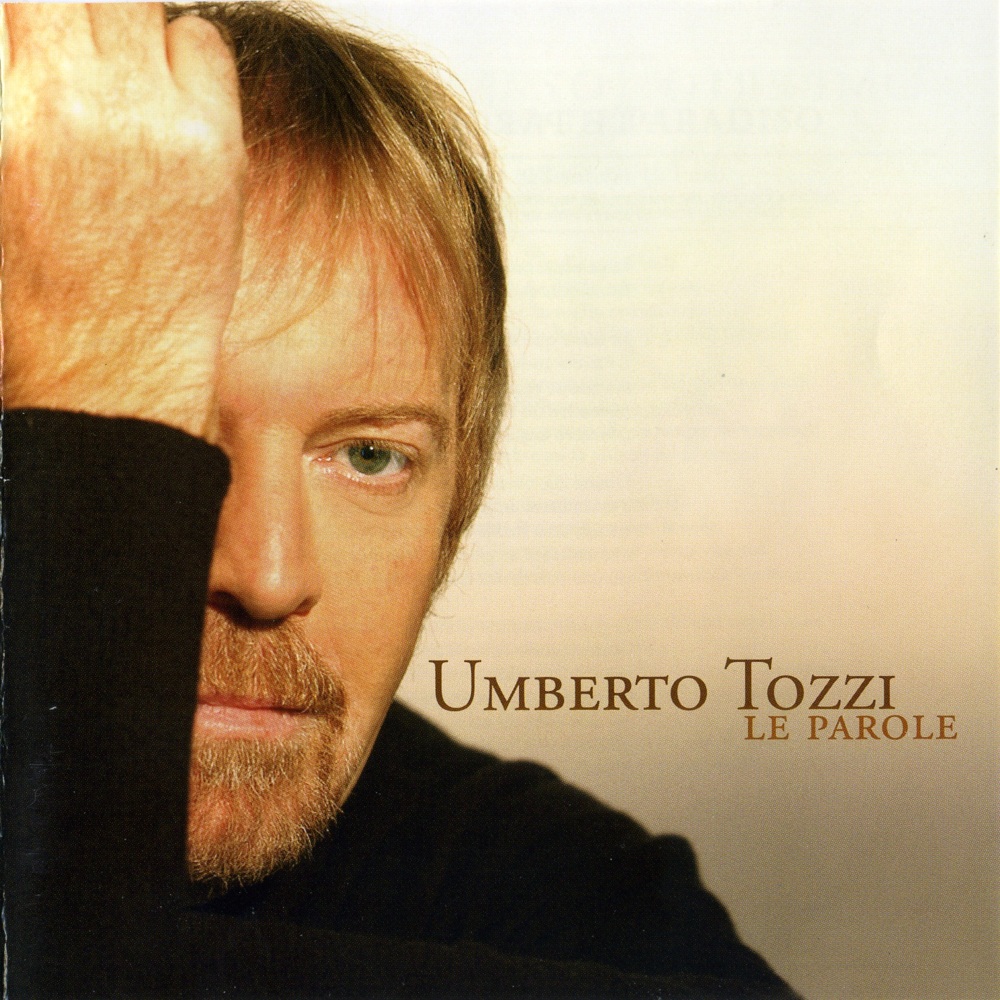
 View Artist