Song Meaning
This track paints a stark picture of cyclical existence and fading presence. The opening line, "Wolves wrote this, recorded this," immediately establishes a primal, almost instinctual origin, contrasting with the mundane specificity of "Monday, June 21." This juxtaposition hints at a feeling of being trapped, where even creative acts feel dictated by an ancient, unyielding force, while daily life is rigidly scheduled and predictable.
The core tension lies in the sense of confinement and repetition. The lyrics state plainly, "The days are numbered / And so are words," suggesting a finite lifespan and a limited vocabulary. This is amplified by the repeated phrase, "We repeat the same old words," which underscores a feeling of stagnation, as if genuine communication or progress is impossible. The narrator seems to be grappling with a world where meaning is diminishing, both in time and expression.
The most striking image is that of the voice as a "distant ghost." This evokes a profound sense of alienation from oneself and one's own past expressions. The narrator listens back, not to a familiar sound, but to an echo that is barely perceptible, a spectral remnant. The "moving objects" and "music they make" are abstract, suggesting that even the tangible world and its creations are now perceived as detached phenomena, disconnected from any personal anchor or clear intent.
This lyrical construction is effective because it taps into a universal anxiety about time slipping away and the fear of becoming a mere echo of one's former self. The stark, declarative sentences and the haunting repetition create an atmosphere of unease, making the listener feel the weight of these numbered days and worn-out words. The abstract nature of the later imagery leaves a lingering sense of existential dread, where even the act of creation feels like a disembodied process.
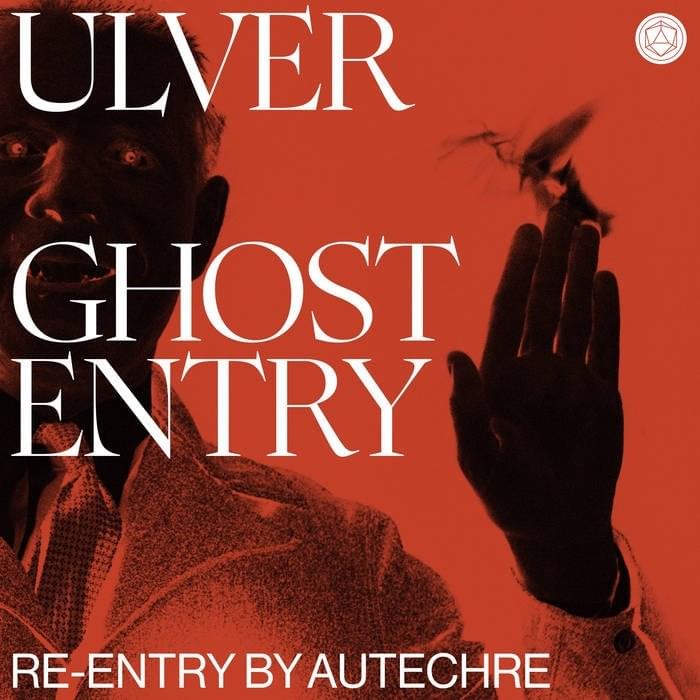
 View Artist