Song Meaning
The lyrics paint a stark picture of a violent abduction and a subsequent, chilling transformation. Initially, a plea for help is met not with rescue, but with a new aggressor, described as a "nye Pige" who "røfvede" (robbed/ravished) and treated the victim "som de vilde" (as they wished/wildly). This sets a tone of dread and helplessness, as the initial hope for aid is brutally extinguished.
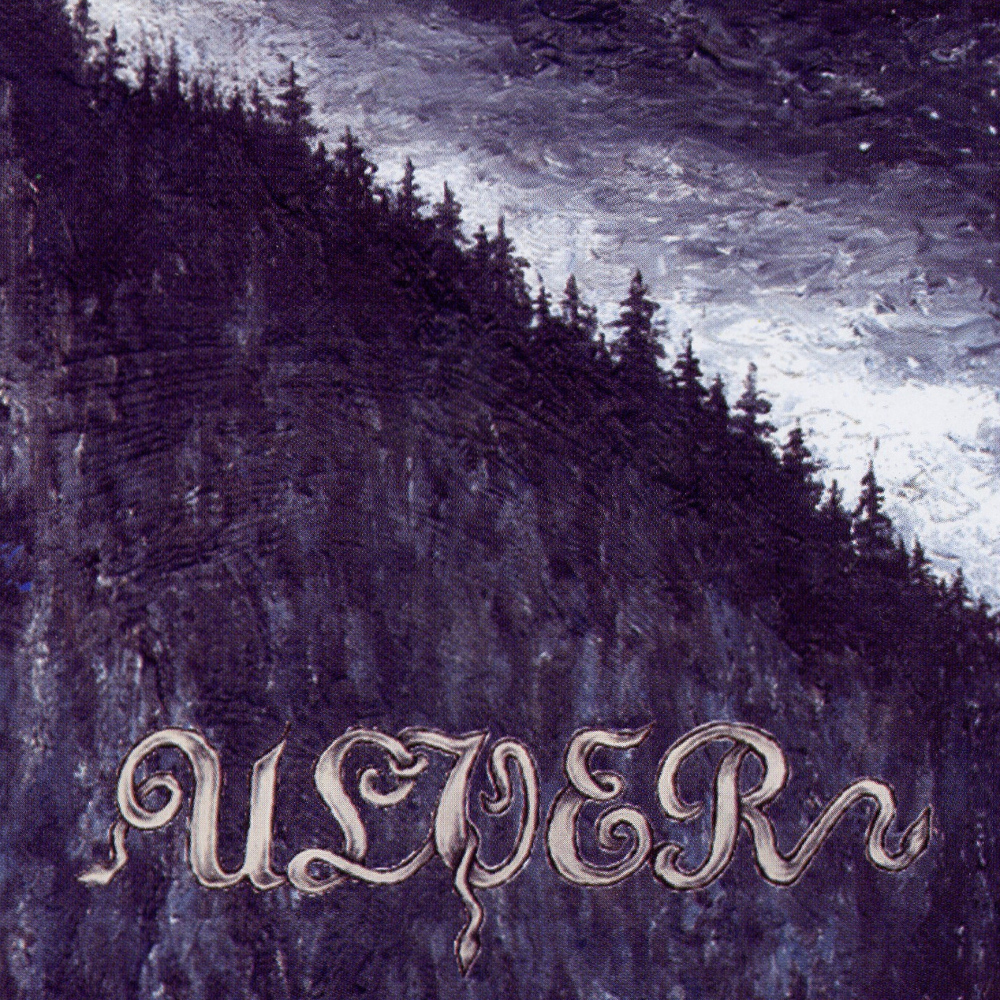
The narrative then shifts to a desolate, otherworldly destination: "Skyggernes Huus" (House of Shadows), characterized by its "kolde oc evigblaae" (cold and eternally blue) appearance. This imagery suggests a place beyond the natural world, a realm of perpetual twilight and sorrow. The mountain itself, "Fjeldet," becomes an active force, taking the girl "ind til sit haarde Graabergkind" (into its hard grey-rock lap), implying an absorption into the very stone.
The most striking element is the finality and petrification of the victim. The line "Oc nu er hun borte... Een forstened Krop" (And now she is gone... A petrified body) is devastating. The subsequent celestial imagery of the moon and stars being extinguished further amplifies the sense of utter darkness and the erasure of life. The raw, almost primal description of the elements raging "For langt nord i Fjellom" (Far north in the mountains) and the unsettling "Der leikar det..." (There it plays...) suggests a wild, untamed force at play, indifferent to human suffering.
This lyrical sequence is effective due to its brutal simplicity and the stark contrast between the initial plea and the final, frozen state. The language, while archaic, conveys a visceral sense of violation and loss. The progression from a desperate cry to a petrified form, set against a backdrop of cosmic darkness and elemental fury, creates a powerful, unsettling atmosphere that lingers long after the words fade.
 View Artist