Song Meaning
Ulrik Munther's "Monster" isn't your typical Halloween fare; it's a stark, psychologically astute portrait of loneliness and destructive intimacy. The vampire metaphor isn't about bloodlust, but about the inherent human capacity to wound those we crave closeness with. Munther paints a figure perpetually "rastlös" (restless), forever wandering and seeking a "kärleken som blöder" (love that bleeds). This sets the tone for a bleak exploration of codependency and the isolating nature of self-destructive patterns. The monster isn't some external threat; it's the internal saboteur, the part of ourselves that pushes away connection even as it desperately seeks it. The lyrics suggest a cyclical pattern of seeking, hurting, and retreating, mirroring the behavior of someone with deep-seated attachment issues.
The repeated line about "kontaktannonser" (personal ads) is particularly cutting. It highlights the modern, almost banal approach to finding connection, even for those who identify as damaged or monstrous. The vampire, lacking a reflection, symbolizes a lack of self-awareness, further trapping them in their destructive cycles. The plea, "Vem vill sörja över henne" (Who wants to mourn for her), underscores the profound sense of isolation and the fear of being unlovable. It's a question dripping with vulnerability, masked by the monster's icy exterior. The chilling line, "Dödar allt den hon älskar" (Kills everything she loves), speaks to a fear of intimacy so profound that love itself becomes a threat.
Ultimately, "Monster," and its song meaning, resonates because it taps into a universal fear: the fear of being fundamentally unlovable, of being a monster that pushes away the very connection it craves. The yearning for a reciprocal connection-"Från något monster som söker andra monster / Läser konstaktannonsen och skriver tillbaks" (From some monster looking for other monsters / Reads the personal ad and writes back)- offers a sliver of hope, however dark. It suggests that even in the depths of our monstrous tendencies, the desire for connection persists, hinting at the possibility of finding solace in shared imperfection. The song cleverly uses the vampire myth to explore the darker corners of the human psyche, revealing the vulnerability hidden beneath the surface of our own self-perceived monstrosities.
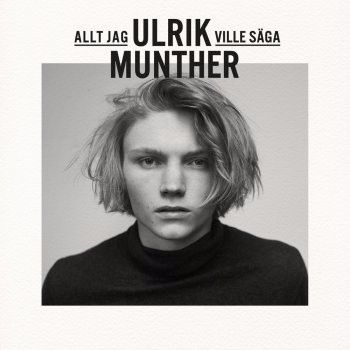
 View Artist