Song Meaning
The lyrics paint a picture of a fragmented identity, constantly questioning where true understanding of "Latvians" might reside. The repeated "Varbūt" (Perhaps) sets a tone of uncertainty, as the narrator muses about different locations – Rome, Washington, Ghana, Amsterdam, Siberia – each potentially holding a piece of this self-definition. This isn't about a physical journey, but an internal search for belonging and recognition.
The central tension lies in the contrast between idealized or distant perceptions and a more grounded, perhaps harsh, reality. The idea that someone "knows exactly what Latvians are" in Rome clashes with the imagery of "three bitter voices" near the Baltic Sea, or a mother sleeping in a barn in Siberia. It suggests that the external gaze might be simpler or more romanticized than the lived experience.
The most striking craft element is the pervasive use of "Varbūt," creating a hesitant, almost wistful rhythm. This repetition emphasizes the speculative nature of the inquiry. The juxtaposition of specific, sometimes mundane or difficult, images like "Matīsiņš gana" (little Matīss is grazing) or "Par cūku lamā" (curses a pig) with grander locations like Rome or Washington highlights the search for a coherent national identity amidst everyday life and historical hardship.
Ultimately, these lyrics resonate because they capture a universal feeling of searching for one's place and being understood. The fragmented glimpses across different locales and experiences suggest that identity isn't a fixed point but a mosaic, pieced together from disparate moments and perspectives, leaving the listener to ponder where their own sense of self truly lies.
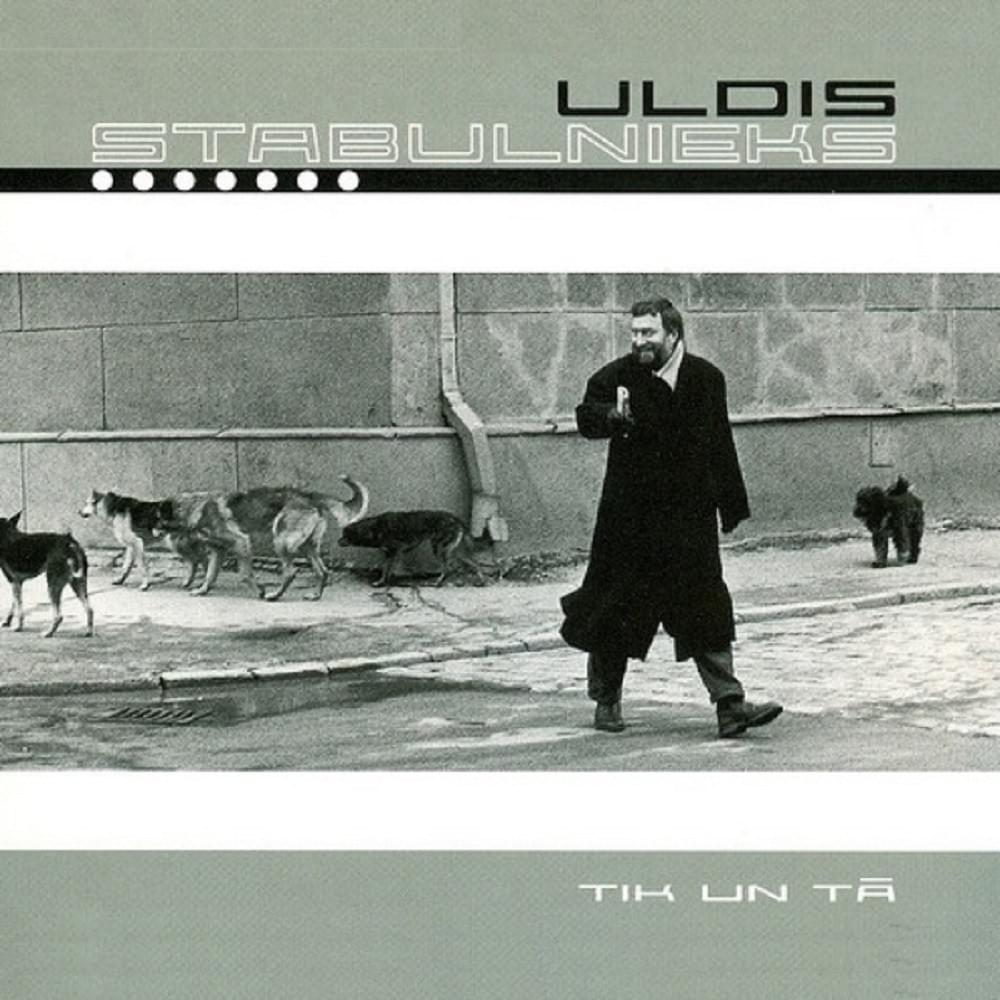
 View Artist