Song Meaning
The lyrics paint a picture of a complicated, almost adversarial romance, where the narrator is caught between desire and disillusionment. The opening lines immediately establish a dynamic of playful manipulation: "You're sly" and "giving love only to me, yet looking sad." This sets a tone of emotional gamesmanship, where one person seems to hold the power, leaving the narrator feeling entangled and questioning the authenticity of the affection offered.
This tension between wanting and being unable to fully grasp the relationship drives the narrative. The narrator grapples with the idea of love, describing past experiences of "grasping and smashing" what they thought was love, only to realize it was a "lie." They lament their "lack of freedom" while simultaneously wandering in the "darkness of freedom," suggesting a self-imposed or cyclical struggle. The repeated questioning, "Was it love?" underscores a profound uncertainty about the nature of their connection.
The song's craft shines in its use of contrasting imagery and direct address. Phrases like "angel, yet pretending to be a devil" highlight the confusing duality of the beloved. The insistent pleas, "Come on, tell me," and "Fly high, shake my heart, liar," reveal a desperate attempt to elicit honesty and genuine emotion. The recurring motif of being "deep inside of me" suggests an internal struggle, a desire for the beloved to truly understand or inhabit the narrator's inner world, or perhaps a confession that the narrator is consumed by this elusive love.
Ultimately, the lyrics resonate because they articulate the painful paradox of wanting something real from a relationship that feels manufactured or conditional. The narrator's journey from questioning "Was it love?" to a tentative assertion that "love is there, confronted by reality and ideals" shows a shift towards accepting the messy, imperfect nature of their feelings. The final lines, "Love isn't something you lose / Love isn't something you see / No form, no words / That's our 'love,' isn't it?" propose a more abstract, resilient definition of love, found not in grand gestures but in the shared, unspoken reality of their entanglement.
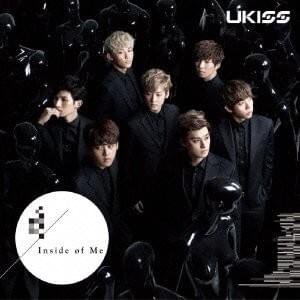
 View Artist