Song Meaning
The lyrics paint a picture of a solitary drive through a rain-slicked London at dusk, heading towards Waterloo station. The narrator seems preoccupied, perhaps with a prearranged meeting, as the repeated phrase "Rendezvous 6:02" hangs in the air like an unanswered question. The city itself feels like it's shedding its inhabitants for the weekend, leaving the narrator alone with the "dark city streets" and the "clinging rain."
The central tension arises from the narrator's uncertain pursuit of this rendezvous. They glimpse fleeting figures, questioning reality, and are driven by the urgency of catching a train. This pursuit is complicated by an encounter with a mysterious figure at the station who delivers a cryptic message. The figure suggests that Waterloo, and perhaps the very idea of this meeting, is a relic of the past, a consequence of a war that ended ten years prior.
The most striking element is the juxtaposition of the mundane (a train ticket, a specific time) with the surreal and historical. The narrator is presented with a ticket for a train that shouldn't exist, to a place that is supposedly gone. The hooded figure's words, "Did you not know, my friend? Ten years ago was the end," introduce a profound sense of temporal displacement. The lyrics suggest the narrator is chasing a ghost, a memory, or a possibility that has long since passed, making the "Rendezvous 6:02" a haunting echo rather than a concrete event.
This lyrical construction is effective because it taps into a feeling of being out of sync with time and place. The specific details of the drive and the station ground the listener, making the subsequent revelation about the past all the more disorienting. The narrator's persistence in the face of ambiguity, driven by the ticket and the beckoning figure, creates a compelling narrative of someone caught between a present reality and a past that refuses to stay buried.
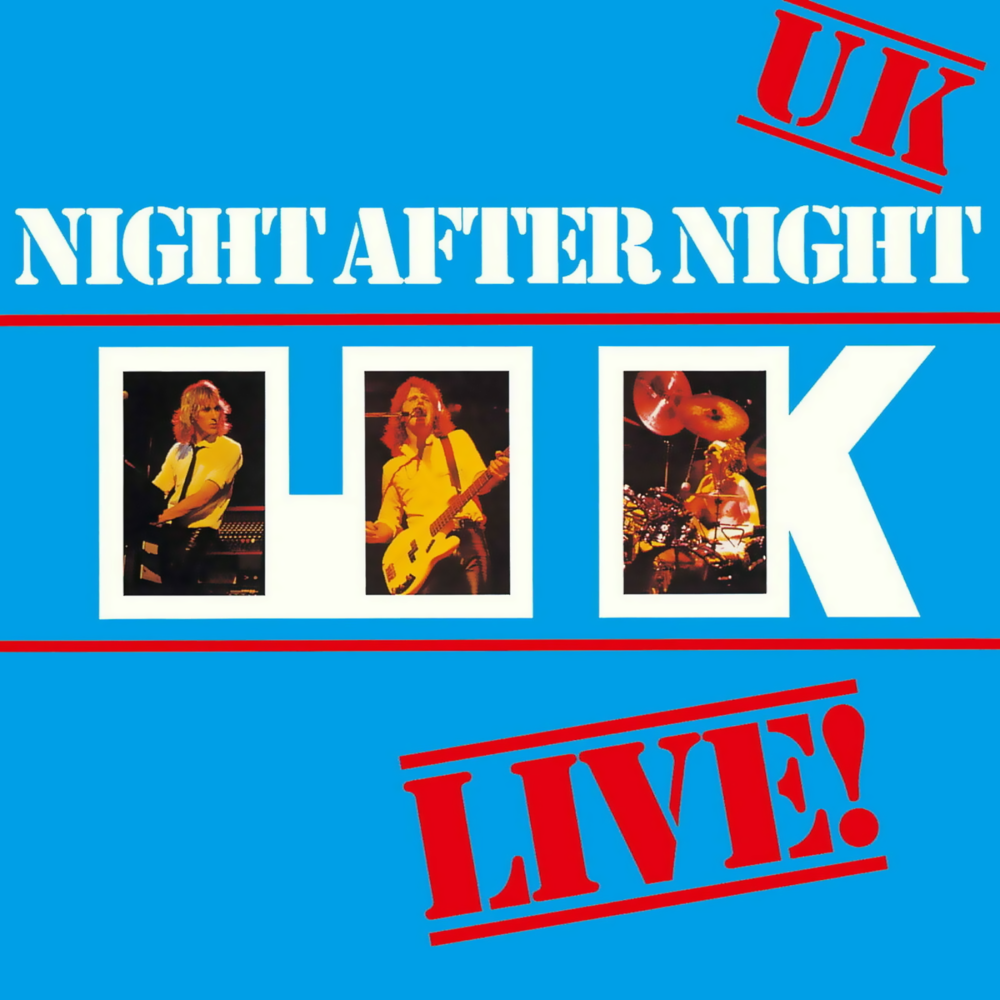
 View Artist