Song Meaning
The narrator paints a picture of an escape, a promised land where the constraints of linear existence simply cease to apply. This isn't just about a vacation spot; it's a profound detachment from the ticking clock and societal pressures. The repeated phrase, "time don't matter at all," acts as a mantra, reinforcing the core idea of liberation from temporal and external judgment. It's a vision of pure, unadulterated freedom.
This promised place is defined by its lack of conventional boundaries. There are no "opening time, no closing time," no "age limit and no rules," and crucially, no "public opinion makers." The narrator seems to be pushing back against a world that dictates how time should be spent and judged. The contrast between the external world's obsession with time and this internal sanctuary is stark. The lyrics suggest a desire to transcend the anxieties that come with a structured, time-bound life.
The most striking aspect is the deliberate downplaying of complexity. The narrator insists, "Don't get confused, it ain't deep." This isn't some philosophical treatise; it's a simple, almost childlike yearning for a state of being free from worry. The advice to "Care but don't lose sleep" further emphasizes this. It’s about finding a balance, acknowledging the world but not letting its temporal demands dictate one's inner peace. The lyrics suggest that the real issue isn't time itself, but how we allow it to control us.
Ultimately, the effectiveness of these lyrics lies in their directness and the sheer force of repetition. The constant return to the central theme creates a hypnotic effect, drawing the listener into the narrator's vision of a timeless escape. It taps into a universal desire to break free from the pressures of daily life, offering a simple, yet powerful, antidote to the anxieties of a world obsessed with schedules and deadlines. The promise is not just a place, but a state of mind.
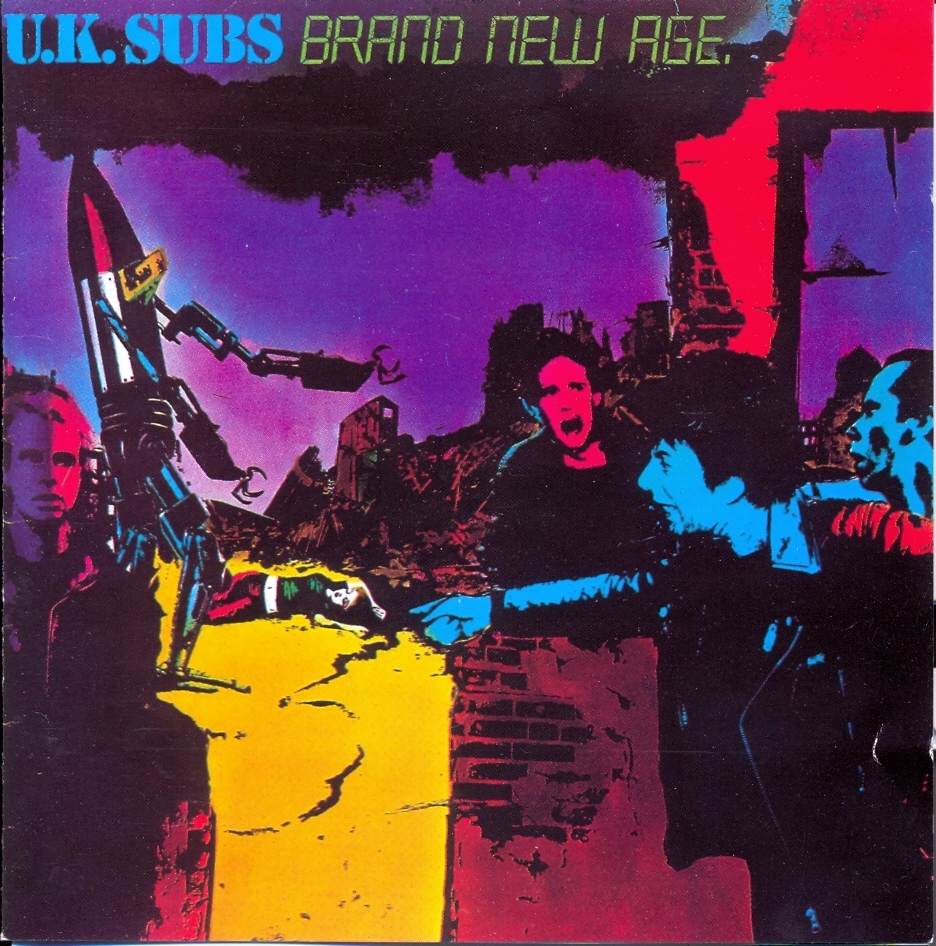
 View Artist