Song Meaning
The lyrics paint a picture of a detached, almost surreal existence within a "robot age." The repeated refrain of "Dance, travel" suggests a superficial engagement with life, a kind of programmed motion rather than genuine experience. This cyclical, almost hypnotic phrase sets a tone of passive observation, as if the narrator is simply going through the motions in a world that has lost its organic spontaneity. It's a world where action is dictated, not felt.
The core tension arises from the stark assertion: "God did not make man / Man made God." This flips traditional creation narratives, implying a manufactured reality or a loss of authentic spiritual grounding. The repetition of this line, twice in quick succession, hammers home a sense of existential inversion. It suggests that humanity, in its pursuit of control or perhaps in its alienation, has created its own deities or belief systems, which in turn dictate its actions, like dancing and traveling in this robot age.
The most striking craft element is the juxtaposition of the seemingly carefree "Dance, travel" with the profound, unsettling theological statement. This contrast creates an unsettling dissonance. The simple, almost childlike commands to dance and travel feel hollow when placed against the idea that humanity has constructed its own divine order. The lyrics imply that this manufactured faith or ideology is what drives the superficial actions of the robot age, leading to a life of programmed movement without deeper meaning.
This lyrical structure is effective because it creates a sense of unease through its very simplicity. The repetition and directness of the statements leave little room for ambiguity, forcing the listener to confront the unsettling implications of a world where creation and belief are self-made. The emotional impact comes from this feeling of being trapped in a cycle of manufactured existence, where even our gods, and thus our purpose, are products of our own making.
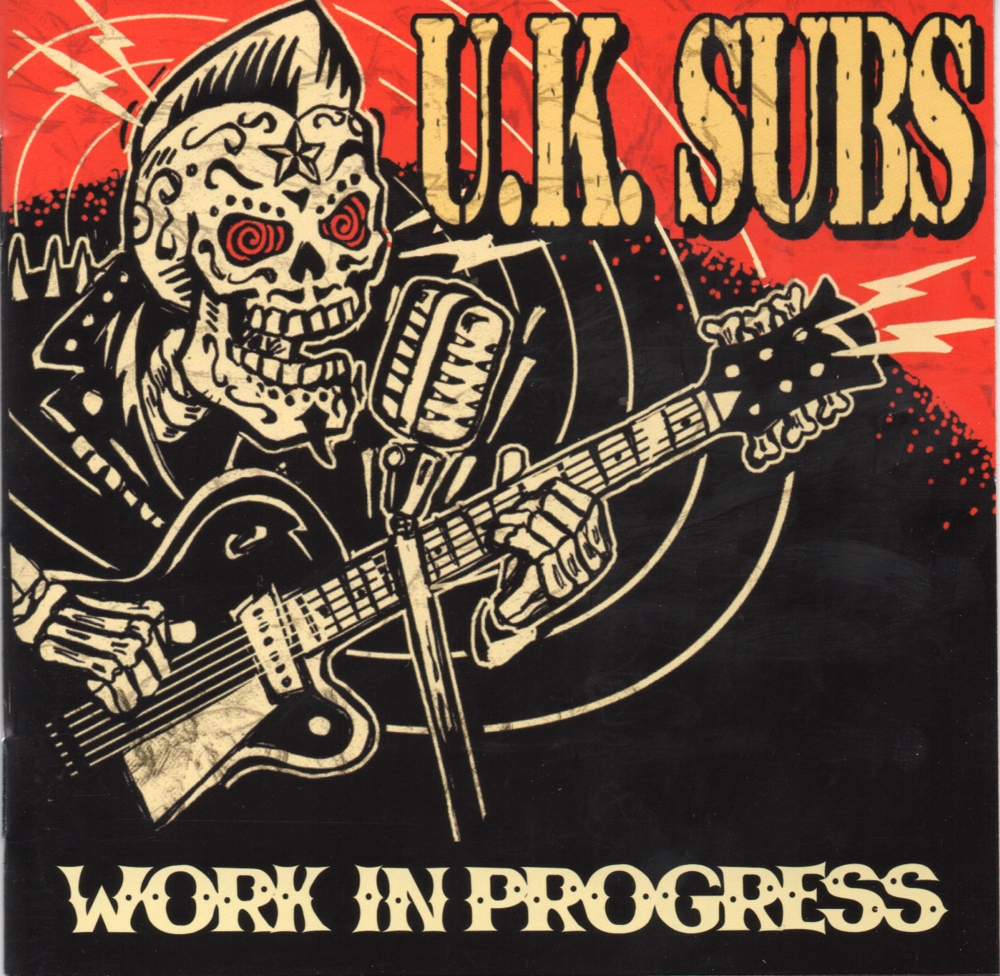
 View Artist