Song Meaning
The lyrics open with a stark, almost mythical image of a child born destined for violence, immediately contrasting this ancient fatalism with a contemporary, pointed question about modern gun laws. This sets up a powerful rhetorical device: the idea that the inevitability of violence is an excuse for maintaining it. The narrator dismisses this notion as belonging to a distant past, directly challenging the justification for current gun ownership.
The core of the song's emotional weight rests on the repeated, accusatory refrain: "After Dunblane how can you hold a gun? And say that you are innocent?" This phrase acts as a moral fulcrum, using a specific, devastating event to question the complicity of those who possess firearms. The repetition hammers home the idea that such an act renders innocence untenable, forcing a confrontation with the consequences of gun ownership.
The lyrics then pivot to the United States, highlighting the frequency of mass shootings as a backdrop to the central argument. The phrase "massacre 'most everyday" underscores a sense of desensitization or normalization of violence. This comparison serves to amplify the central plea: the suffering of mothers losing children is a universal tragedy that transcends specific national contexts and should not be used to deflect from the issue of gun control.
The final verse directly confronts the listener, posing a stark choice between willful ignorance and foolishness. The assertion that "Guns are for nothing but to kill" is a blunt, unvarnished statement of purpose, stripping away any pretense of self-defense or sport. The line "it's you not the industry who pays the bill" places the ultimate responsibility squarely on the individual, not just the manufacturers, making the act of holding a gun a personal moral failing.
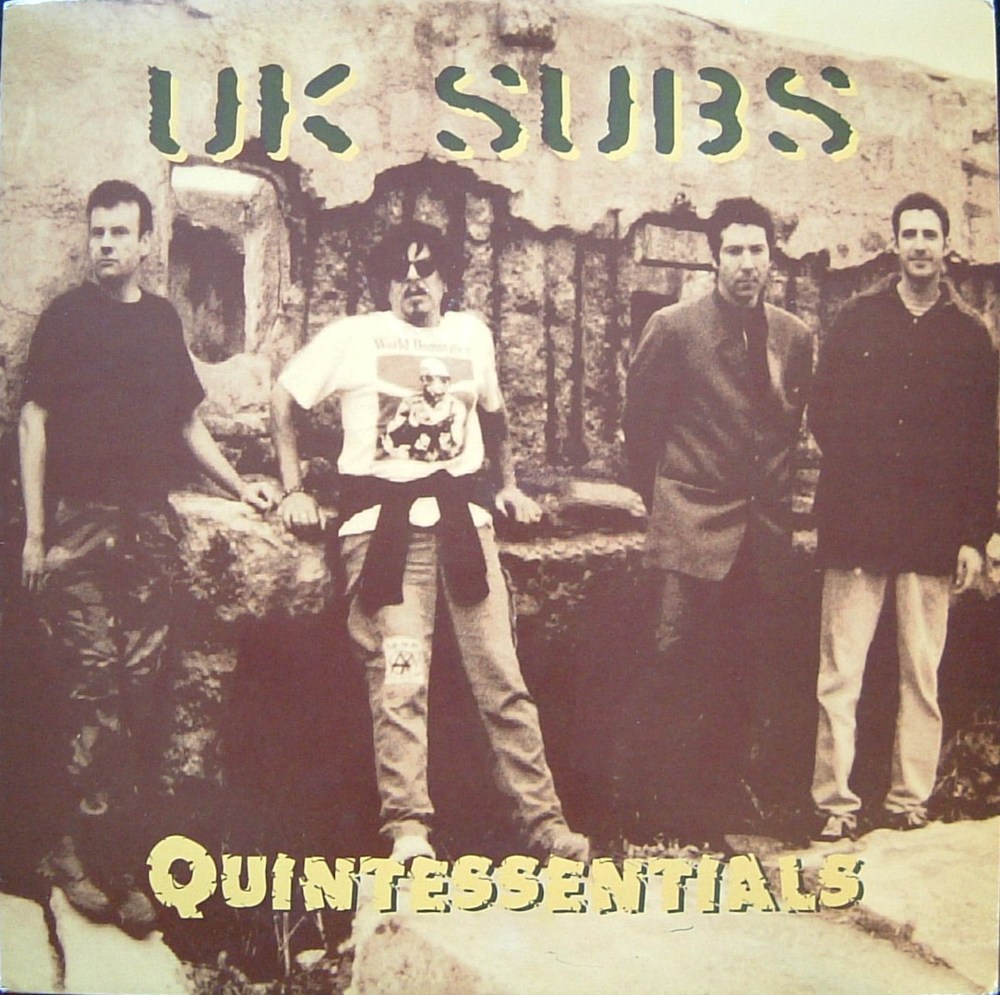
 View Artist