Song Meaning
The lyrics paint a stark picture of confinement, both literal and existential. The narrator cycles through questions about their location – "F" ward, padded cell, cell block 8, cell block 9 – establishing a sense of being trapped within institutions or their own mind. This physical or psychological imprisonment is directly linked to a fatalistic view: "We're all prisoners of our fate" and "We're all prisoners of our time." The dominant tone is one of desperation and a search for meaning amidst chaos, underscored by the violent imagery of being hit with a "bicycle chain."
The central tension arises from the narrator's struggle against perceived destiny and the overwhelming sense of being trapped. They question their actions and the substances they've taken, seeking an escape that feels impossible: "You can run but you can't escape." The plea to "Stop the operation" and the fear of death, "I think I'm gonna die," reveal a desperate attempt to halt a predetermined, destructive path. This internal conflict is amplified by the introduction of a "witch doctor" and the ominous "occult princess sacrifice," suggesting a turn towards the mystical or supernatural as a last resort.
The most striking element is the recurring phrase "Collision cult," which appears to represent a shared, perhaps self-destructive, community or belief system. The lyrics shift from institutional confinement to a more communal, ritualistic gathering, with "Rock 'n' Roll angels" and "waistoids" invited to join. This "cult" engages in a defiant, almost frenzied celebration – "Putting on the war paint, beating on the drum" – as a way to cope with or resist their shared fate. It’s a dark, communal dance against the inevitable, a desperate attempt to find solidarity and temporary release.
These lyrics resonate because they articulate a profound sense of being overwhelmed and seeking connection in the face of despair. The juxtaposition of institutional settings with a wild, ritualistic "cult" highlights the human need for belonging, even in the most extreme circumstances. The writing effectively uses fragmented questions and stark pronouncements to mirror a fractured mental state, making the narrator's desperate search for escape and community palpable and unsettling.
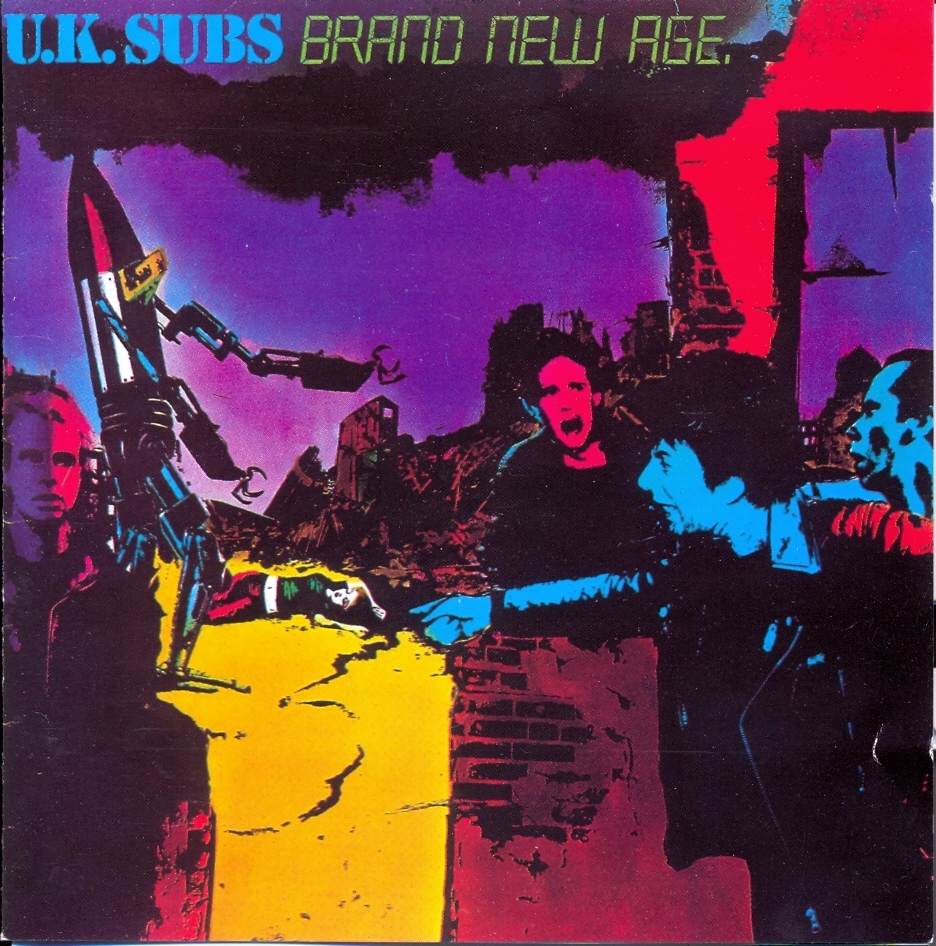
 View Artist