Song Meaning
The lyrics paint a stark picture of an environmental apocalypse, suggesting humanity's reign might be over. The opening lines pose a direct question about whether "man has had his day," immediately setting a tone of finality and impending doom. This isn't a gradual decline; it's a sudden, overwhelming event where "flood waters cover land / From horizon to horizon," erasing not just nature's bounty like "honey, no more clover," but also tangible signs of human life and wealth, like "cattle washed away" and "possessions."
The central tension arises from the stark contrast between the escalating crisis and the inaction of those in power. While "politicians talk about it," their words are hollow, their actions self-serving, as they "take the money" while "the water's rising." This highlights a profound disconnect, where the reality of the disaster is ignored by those who should be addressing it, leading to a sense of desperate resignation. The repeated phrase "Too late, too late for talking" underscores this futility.
The most striking aspect is the powerful metaphor of being "children of the flood." This isn't just about surviving a disaster; it implies a fundamental shift in identity and existence. Humanity is no longer in control, but rather a product of the new, destructive environment. The call to "start walking" suggests a forced migration, an acceptance of displacement and a new, uncertain future dictated by the overwhelming force of nature.
This lyrical construction is effective because it grounds a massive, abstract crisis in concrete, visceral imagery and a clear emotional arc of despair and forced acceptance. The repetition of key phrases hammers home the inevitability and the helplessness felt by the populace. The lyrics don't offer solutions, but rather a raw, unflinching portrayal of a world irrevocably changed, where humanity's only recourse is to adapt to its new, waterlogged reality.
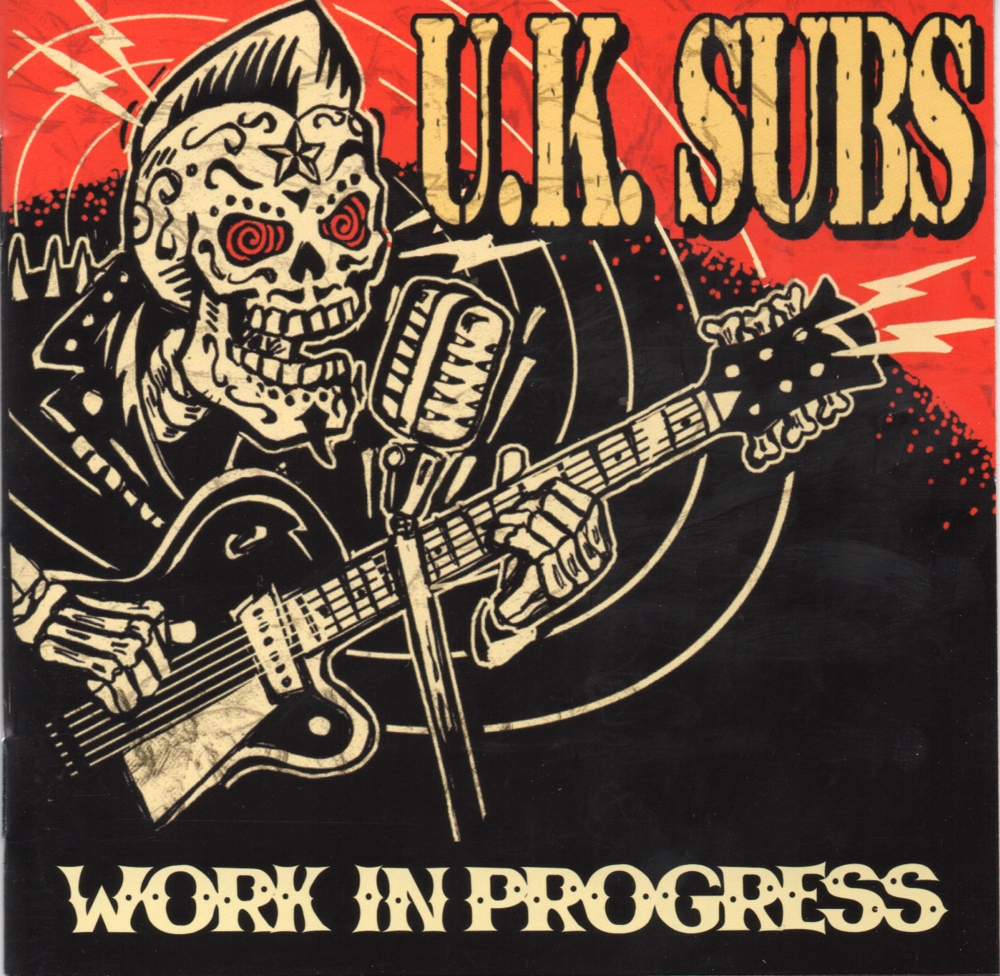
 View Artist