Song Meaning
The narrator is caught in a perpetual state of being stranded, with the "last train's eleven" setting a tone of missed opportunities and impending isolation. There's a palpable sense of being stuck, unable to return home because the doors are locked, leaving them "out alone." This isn't just about a missed train; it's a recurring motif of being excluded and without a safe harbor. The repeated phrase "hard times out on the street" underscores the precariousness of this existence, a constant struggle against forces that are "hard to beat."
The central tension lies between the narrator's self-proclaimed identity as a "loser on the road" and a desperate attempt to offer solidarity. Despite their own hardship, they extend an invitation to "sleep on the couch," emphasizing a communal spirit among those who are also "out on the street." This offer, however, is tinged with the acknowledgment that "lots of people do it," suggesting a shared experience of displacement rather than a unique act of kindness. The lyrics present a duality: the personal feeling of failure versus the impulse to include others in that very failure.
The most striking element is the stark contrast between the harsh reality and the "painted lies they all hand you." This phrase suggests a societal facade that doesn't align with the narrator's lived experience of being "left out alone" and facing "hard times." The repeated, almost chanted, declaration "I'm a loser" becomes a defiant embrace of this label, stripping it of its sting by making it a shared identity. It's a way of reclaiming agency by owning the very thing others might use to dismiss them.
Ultimately, these lyrics resonate because they capture a specific kind of gritty, unvarnished struggle. The effectiveness comes from the raw, unpretentious language and the relentless repetition of the core sentiment. It's not about grand pronouncements, but about the simple, bleak reality of being on the outside, finding a strange comfort in shared adversity and the blunt admission of one's own perceived failings.
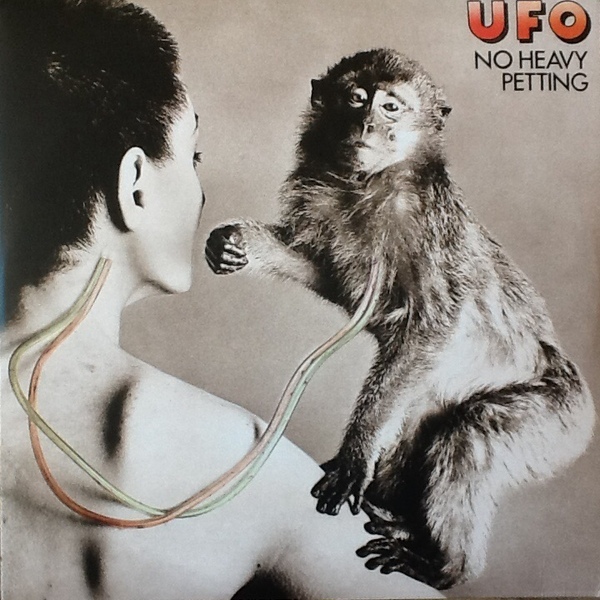
 View Artist