Song Meaning
The lyrics paint a stark portrait of isolation, centering on a figure repeatedly called "Fat man." He's positioned at a window, a classic image of someone looking out at a world they can't access. The repeated phrase "Nobody wants to buy" suggests a profound rejection, not just of goods or services, but of the man himself, as if he's on display but unwanted. This initial scene sets a tone of melancholic exclusion.
The core tension arises from the narrator's persistent observation of this man's social and emotional barrenness. The lyrics explicitly list what others reject: "Nobody wants to talk to him / Walk with him, be seen with him." This isn't just about being alone; it's about being actively shunned. The repetition of "Fat man, fat man, fat man" amplifies the feeling of being defined and trapped by a single characteristic, making the rejection feel absolute.
The most striking craft element is the almost clinical repetition and the stark, declarative sentences. There's no elaborate metaphor, just a relentless hammering of the man's isolation. The shift to "Fat man at the mirror" introduces a moment of self-confrontation, but even here, the implication is bleak: "Got no heart to please." This suggests a resignation or perhaps a hardening against further pain, a defense mechanism against the constant rejection.
Ultimately, the lyrics' power lies in their unflinching depiction of social ostracization. The simple, direct language and the relentless focus on what is *not* wanted create a palpable sense of loneliness and invisibility. The repeated imagery of the window and the mirror underscores a life lived on the periphery, observed but never truly engaged with, leaving the listener with a heavy sense of empathy for the unseen.
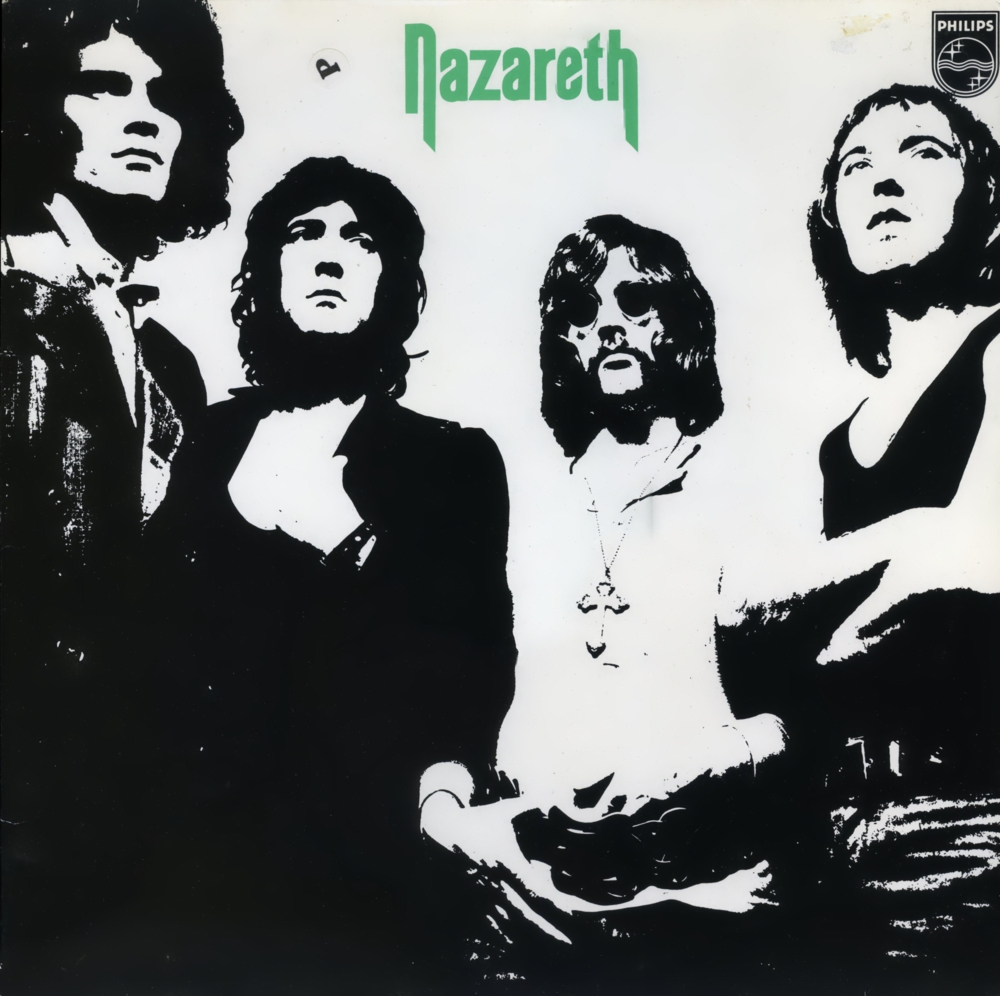
 View Artist