Song Meaning
The lyrics paint a picture of a character named Schmidt, who seems to represent a conformist, easily led individual. For centuries, Schmidt has passively followed along, never questioning the direction of the wind or the latest trends, from the "Tanztee-Tango" to the "Disco-Schrei." This relentless adherence to the crowd, the fear of losing connection, is his defining characteristic. The repeated chorus, "Guten Tag, ich heiße Schmidt, und ich mache alles mit!" (Hello, my name is Schmidt, and I go along with everything!), hammers home this passive acceptance.
Verse two introduces a more sinister element, hinting at external forces manipulating this conformity. The "Große Bruder" (Big Brother) figure offers a guiding hand, but it's a deceptive one, installing "Fassaden" (facades) and stealing "Verstand" (reason). This suggests that Schmidt's willingness to go along isn't just personal preference, but perhaps a result of external control or societal pressure that erodes critical thinking.
The lyrics effectively use repetition and stark imagery to convey their message. The relentless chorus emphasizes Schmidt's lack of agency, while the contrast between the seemingly innocuous "Tanztee-Tango" and the more charged "Disco-Schrei" highlights the breadth of trends he blindly follows. The questions about the "weißen Jäckchen" (white jacket) and "goldenen Sicherheitsnadel" (golden safety pin) serve as specific examples of superficial, perhaps even politically charged, fashions that Schmidt would readily adopt.
Ultimately, the song critiques a passive, unthinking adherence to societal norms and trends. Schmidt's willingness to "machen alles mit" (go along with everything) is presented not as a virtue, but as a surrender of individuality and critical thought, leaving him vulnerable to manipulation by unseen forces. The final "Jawoll!" (Yes indeed!) underscores this uncritical agreement.
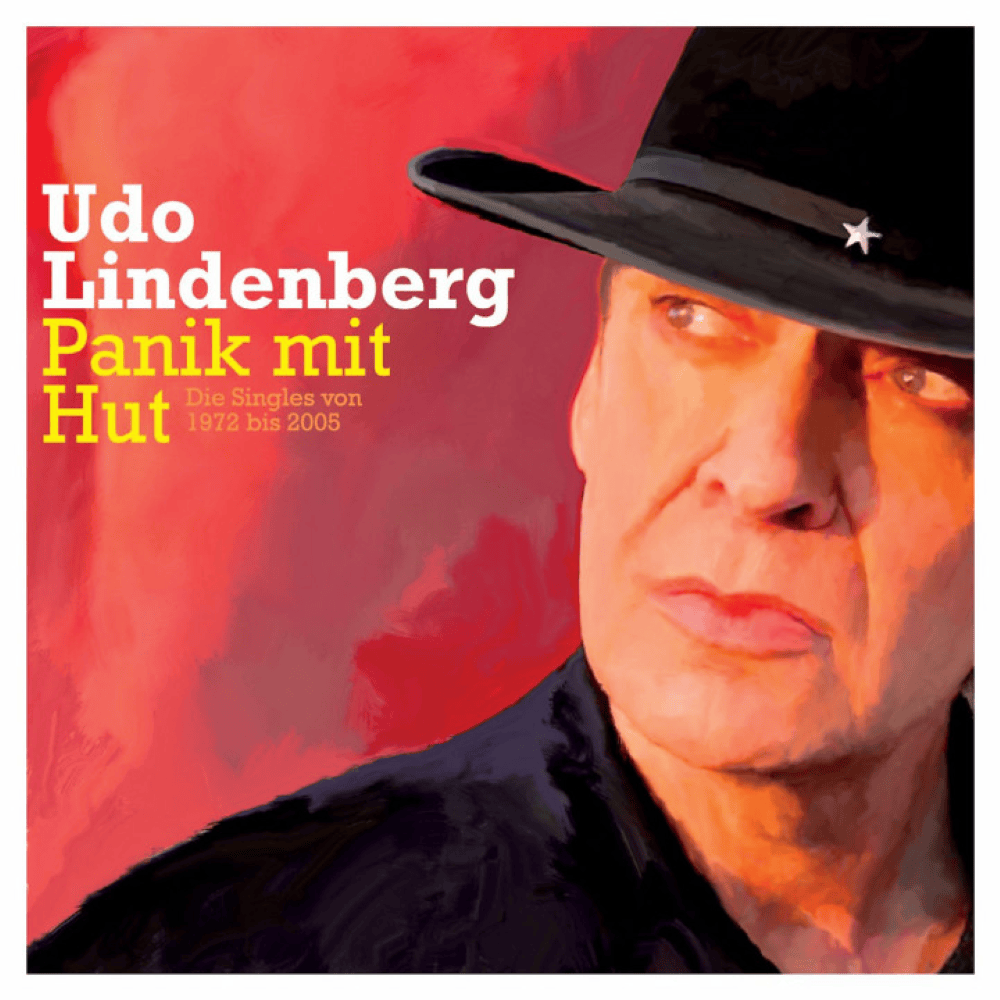
 View Artist