Song Meaning
The lyrics paint a vivid picture of nocturnal revelry, contrasting the sleeping, orderly world of citizens with a vibrant, defiant celebration. While the townspeople seek refuge and protection from their 'king,' the narrator and their companions are drawn to taverns, embracing the night as a time for action and experience rather than rest. This sets up a core tension between passive conformity and active, perhaps even reckless, living.
The central theme revolves around seizing the moment and rejecting the mundane. The recurring phrase "Die Nacht ist nicht allein zum Schlafen da" (The night is not just for sleeping) acts as a powerful refrain, urging listeners to embrace the possibilities that darkness offers. This sentiment is further amplified by the metaphor of the ship: "Ein Schiff ist nicht nur fr den Hafen da / Es mu hinaus / Hinaus auf hohe See!" (A ship is not just for the harbor / It must go out / Out onto the high seas!). This imagery suggests a need for adventure and exploration beyond safe, familiar confines.
The writing cleverly juxtaposes the 'sleeping citizens' with the 'festively dressed' revelers, highlighting a deliberate choice to break from societal norms. The lyrics also offer a form of 'amnesty' to 'sinners,' implying a rejection of judgment and a celebration of indulgence. The image of champagne bubbles under red traffic lights and startled girls adds a touch of playful, slightly transgressive sensuality to the scene, suggesting that this nocturnal freedom is intoxicating and liberating.
Ultimately, these lyrics resonate because they tap into a universal desire for escape and intense experience. By framing the night as a space for uninhibited joy—drinking, loving, laughing—and equating it with 'Seligkeit und Glück' (bliss and happiness), the song offers a compelling argument for living fully in the present, even if it means defying convention and leaving behind the quiet order of the day.
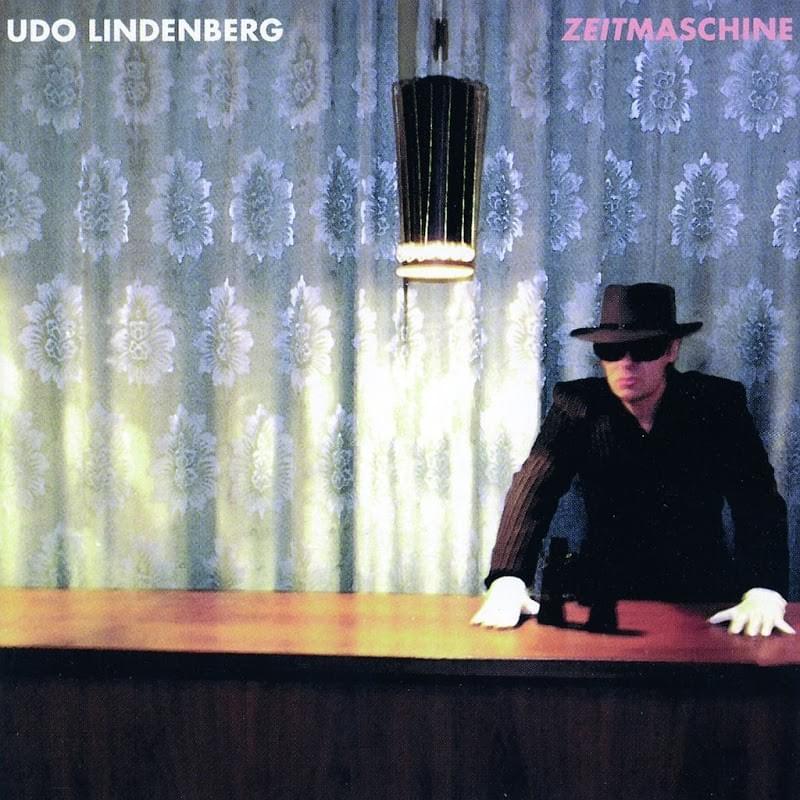
 View Artist