Song Meaning
The lyrics open with a stark, beautiful comparison: love was like a rose. This immediate image sets a tone of delicate beauty, but quickly pivots to its inevitable end. The speaker reflects on a love that was once vibrant but, like a flower, had to fade.
A deeper layer of impermanence emerges as the speaker compares a partner's "word of loyalty" to a "breath of spring." This fleeting image suggests that promises were even more ephemeral than the love itself. The core tension lies in the speaker's prior intellectual understanding of impermanence ("wusste immer schon") clashing with the raw, present experience of heartbreak ("jetzt muss ich's seh'n").
The genius here lies in the repeated, almost mantra-like structure of the rose metaphor. "So wie eine Rose / War die Liebe schön / So musste sie auch vergeh'n" isn't just a statement; it's a resigned acceptance, a truth the speaker keeps circling back to. This repetition, culminating in the stark, isolated "Vergehen" at the very end, creates a sense of inescapable finality, like a sigh that can't quite escape the pain.
These lyrics hit hard because they articulate the universal ache of knowing something will end, yet still being blindsided when it does. By anchoring the transience of love and loyalty in natural imagery—roses, spring breezes, leaves in the wind—the writing makes the heartbreak feel both deeply personal and part of a larger, unavoidable cycle. The speaker's confession of disbelief makes the sorrow profoundly human and relatable.
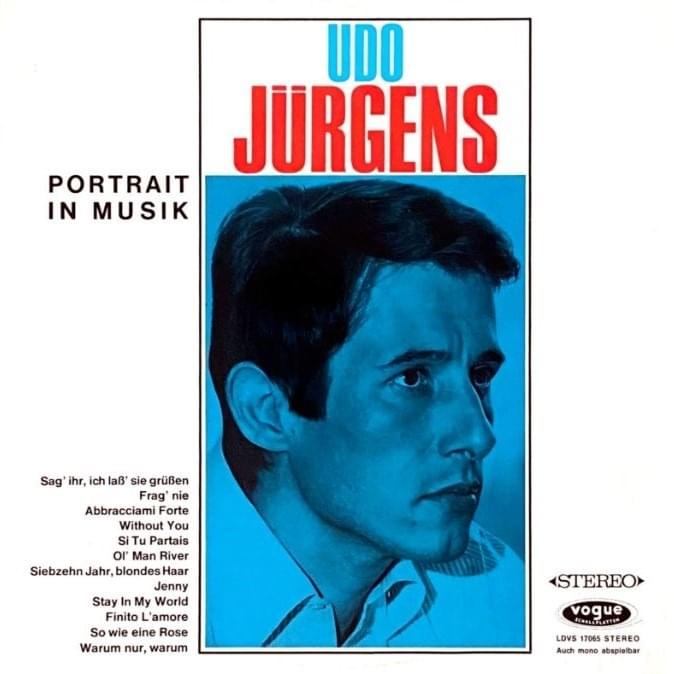
 View Artist