Song Meaning
The lyrics paint a picture of fleeting moments and inevitable endings, contrasting them with a love that defies this natural order. The opening lines establish a somber, cyclical view of existence: "Jeder Traum geht zu Ende" (Every dream comes to an end) and "Schatten folgt dem Licht" (Shadow follows the light). This sets a tone of transience, suggesting that all things, even beautiful dreams and bright days, eventually fade. The narrator acknowledges this universal truth about the passage of time and the conclusion of experiences.
However, a powerful counterpoint emerges with the declaration, "Doch unsre Liebe nicht" (But our love does not). This is where the central tension lies – the struggle to reconcile the perceived impermanence of everything else with the enduring nature of their specific relationship. The love is described as arriving like a fairytale, penetrating the heart and seeming infinite, like a miracle. This elevates the love beyond ordinary experience, positioning it as something extraordinary and potentially eternal.
The song uses recurring imagery of journeys and destinations to underscore the theme of endings. "Jeder Weg, jede Straße / Hat irgendwo ein Ziel" (Every path, every road / Has a destination somewhere) and "Jeder Fluss treibt dem Meer zu / Und endet dort sein Spiel" (Every river flows to the sea / And ends its game there) reinforce the idea that natural processes and human endeavors all have a finite conclusion. These natural metaphors serve to highlight the exceptional quality of the love being described, making its supposed immortality even more striking.
Ultimately, the lyrics suggest that this particular love transcends the limitations of time and space, proving more resilient than any dream or natural cycle. The repetition of the core message, particularly in the latter half, emphasizes the narrator's conviction. The love is not just a temporary feeling but a force that exists beyond the usual boundaries of existence, offering a profound sense of permanence in a world defined by change.
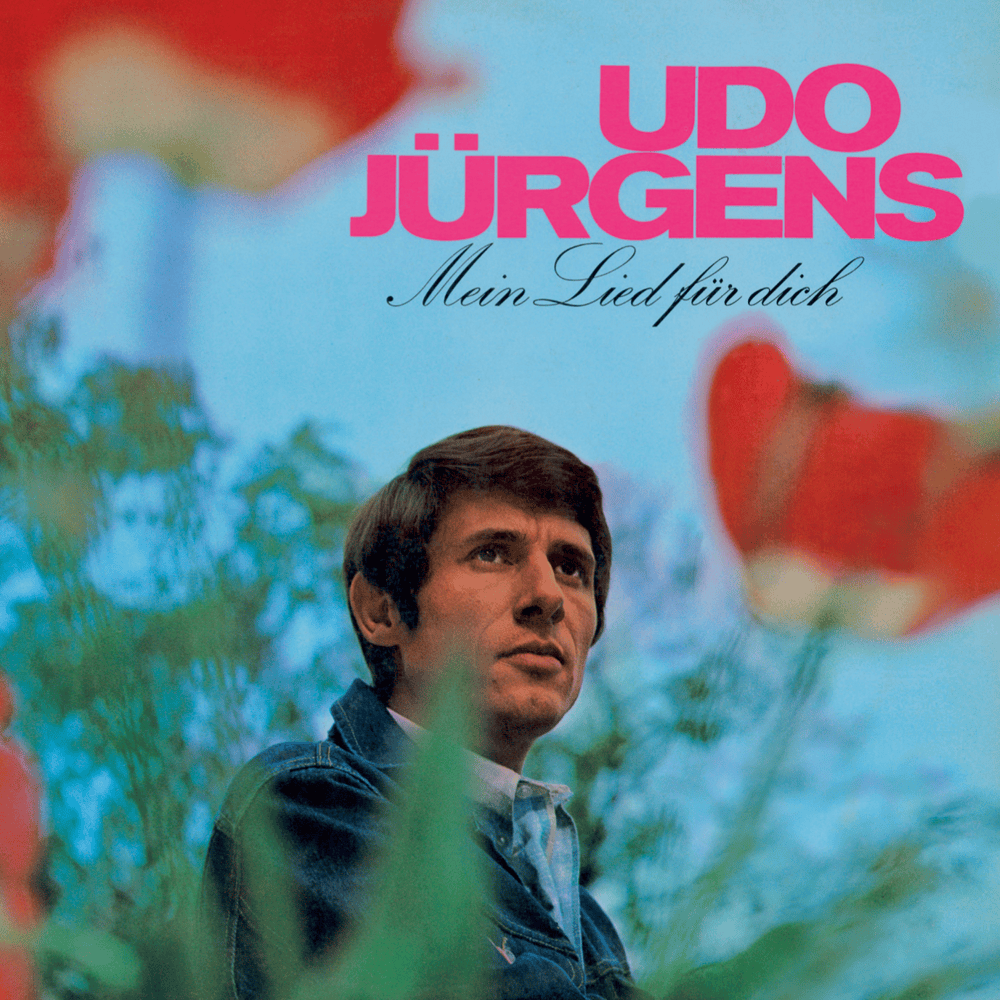
 View Artist