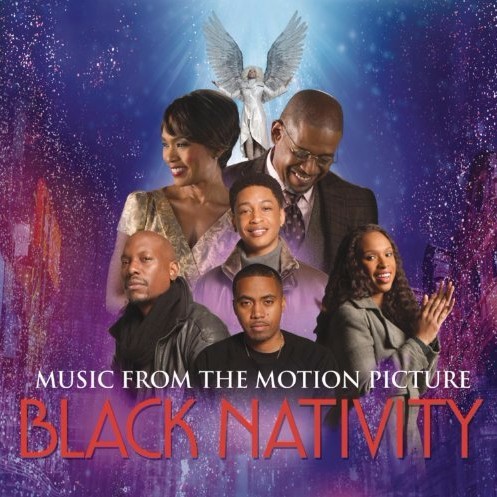
Song Meaning
The lyrics paint a stark picture of feeling adrift, even when a mother is physically present or her memory is vivid. Jacob Latimore opens by framing himself as a burden, the "one thing standing between her and being a winner," immediately establishing a sense of guilt and isolation. This feeling culminates in the repeated, raw declaration, "Sometimes I feel like a motherless child," a phrase that becomes the emotional anchor of his verses. His home feels distant, underscoring a profound sense of displacement and longing for a connection that feels absent.
Nas echoes this sentiment, connecting a mother's naming of a child to her hopes and dreams. He reveals his mother named him Isaiah, after the prophet, suggesting a bestowed destiny or expectation. Yet, despite this hopeful origin, he too finds himself in a state of emotional orphanhood, where "holidays are hollow days" filled with the ghost of his mother's smile. The contrast between the hopeful naming and the present hollowness highlights a deep, persistent ache.
The recurring promise, "Mama said she'd never leave, And that she always be there for me," is juxtaposed with the desperate question, "Where are you now?" This creates a powerful tension between maternal assurances and the lived experience of abandonment or emotional absence. The repeated phrase "motherless child" acts less as a literal descriptor and more as a profound emotional state, a feeling of being fundamentally alone and disconnected, even within the context of familial memory.
Ultimately, these lyrics articulate a complex grief where the absence isn't necessarily physical but emotional. The feeling of being "a long way from home" resonates as a metaphor for a lost sense of belonging and security. The shared refrain, "Sometimes I feel like a motherless child," transforms into a shared lament, suggesting that this profound sense of isolation can be a deeply felt, even if unspoken, reality for many.