Song Meaning
The lyrics paint a picture of profound loss and yearning, where cherished possessions and aspirations have vanished "out of sight" and "lost somewhere in time." The initial tone is one of deep regret, a stark contrast to the vibrant dreams that once defined the speaker's world. This sense of absence is palpable, creating a melancholic mood that hangs heavy over the opening verses.
The central tension arises from the cyclical nature of time and fortune, suggesting a potential for recovery. The narrator shifts from lamenting what's gone to anticipating a future where "misfortunes back around" and "time will return for dreams." This hope is anchored in the idea of a collective "nation" and its enduring aspirations, even if individual dreams have been lost.
The most striking element is the repetition of "Dreams that hold a nation," acting as both a lament for what's lost and a powerful affirmation of collective identity. The inclusion of Icelandic lyrics, translating to "All that the nation owned and enjoyed / All that it dreams of / All that it longed for and never received / The folk-song holds!" powerfully reinforces this idea. It suggests that even when individual dreams fade or are unfulfilled, the shared spirit and history of a people, captured in their songs, can preserve those aspirations.
This lyrical structure is effective because it moves from personal desolation to a communal sense of resilience. The contrast between individual loss and the enduring power of a "nation's" dreams, especially when tied to the evocative imagery of a folk-song, creates a potent emotional arc. It's a reminder that even in the face of personal oblivion, the collective spirit can persist and hold onto what was once longed for.
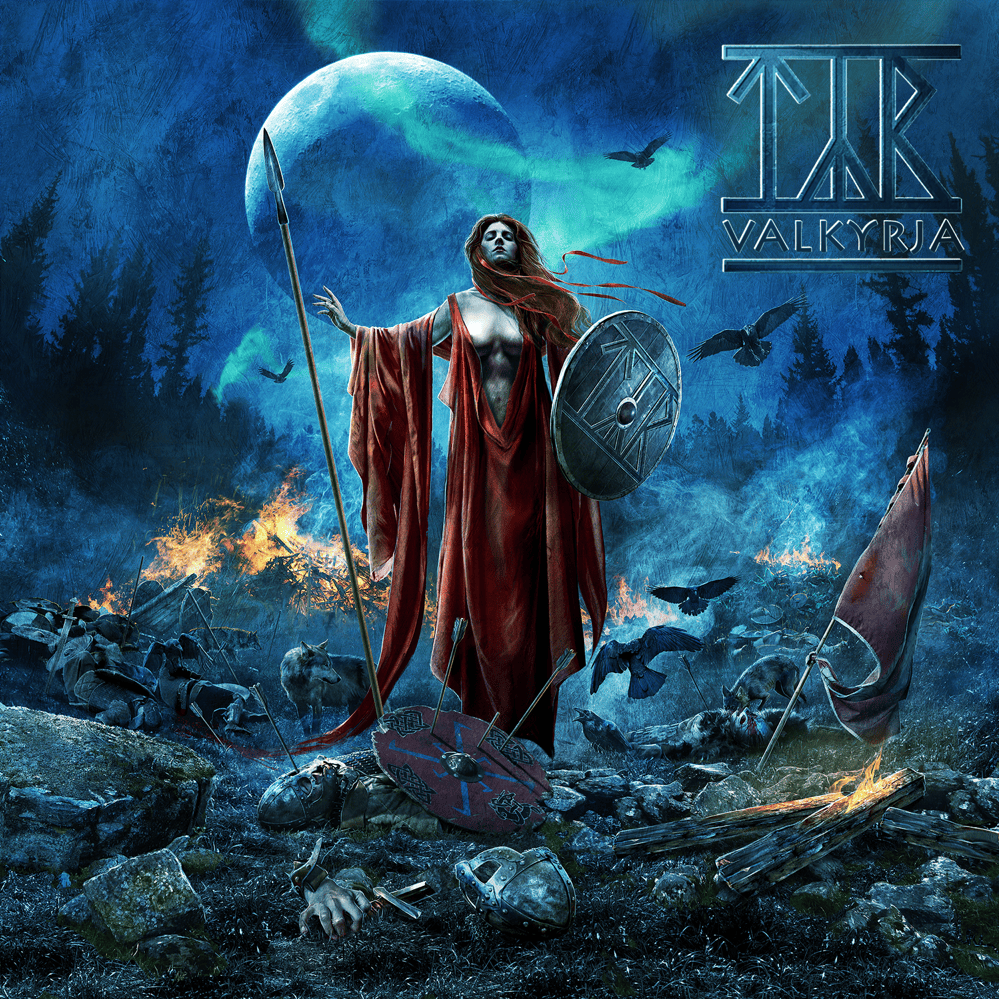
 View Artist