Song Meaning
The lyrics paint a stark, desolate picture of an isolated shore, a place seemingly untouched by human presence. The opening lines immediately establish a sense of abandonment, with the narrator reaching out to an unseen companion, urging them to step onto the "cold shell sand." There's a palpable feeling of ancientness and wildness, a plea to witness the "old magic" and taste the "bitter mix." This sets a tone of primal encounter, far removed from civilization.
The core tension seems to lie in the contrast between this raw, untamed landscape and the implied human connection or shared experience. The repeated, almost guttural interjection "Tvitið, skitið, snykut" – which translates roughly to "Twisted, dirty, snotty" – injects a jarring, visceral element. It feels like a curse or a raw expression of disgust, possibly directed at the harshness of the environment or a corrupted state of being, standing in stark opposition to the initial invitation.
The Latin phrases, particularly "Causa latronum Normannorum" (Cause of the Norman thieves/robbers), introduce a historical layer, suggesting these desolate places have always been empty, avoided by hermits and unrecorded by authors. This cyclical view of emptiness, stretching "from the beginning of the world," is reinforced by the Faroese lines describing a "time-image" seen by a "nearly blind seer" through a "whirlwind." The imagery of sitting "across strait from strait" on "desolate island ground" emphasizes isolation and the passage of time, where "not one ancient moment / passes for hawk and hound."
What makes these lyrics so potent is their ability to evoke a profound sense of isolation and ancient dread through sparse, evocative language. The juxtaposition of the desperate human plea with the harsh, almost contemptuous interjection, and the grounding in historical emptiness, creates a powerful, unsettling atmosphere. It's a glimpse into a world where nature's indifference and a primal, perhaps corrupted, human element collide on forgotten shores.
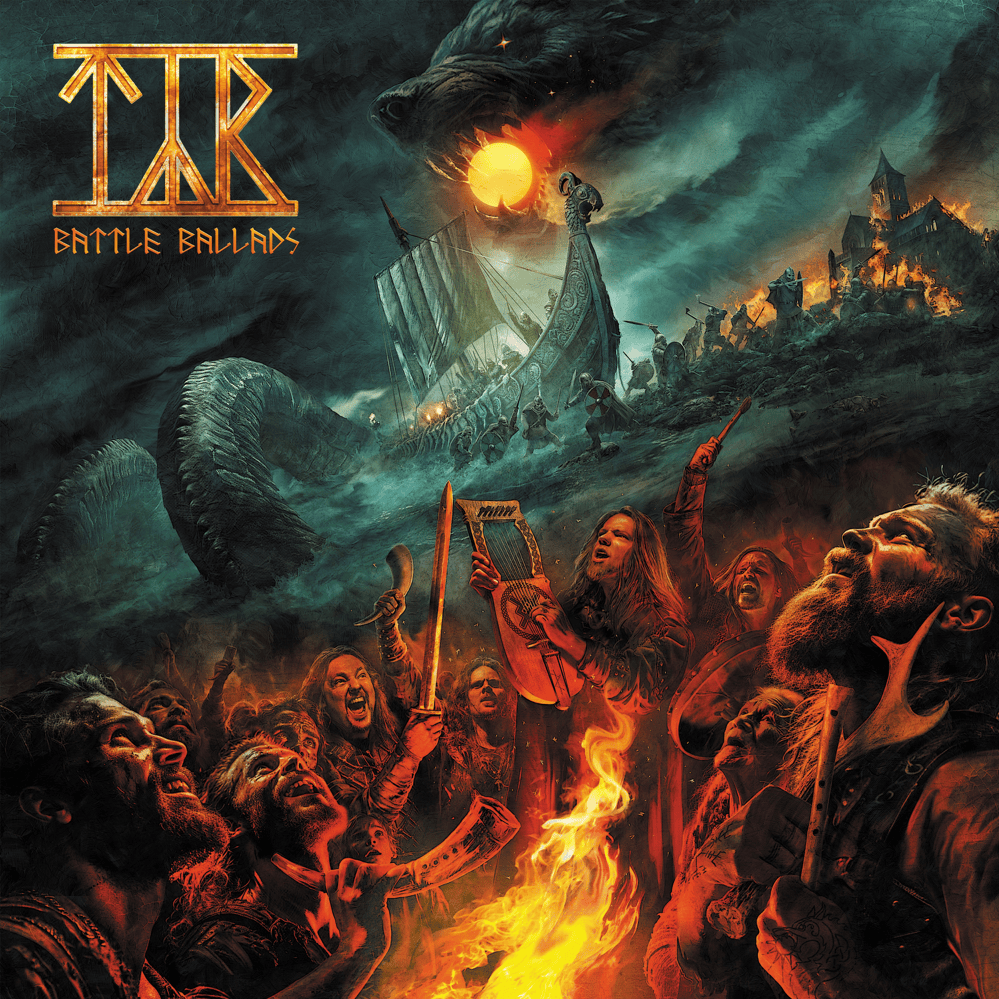
 View Artist