Song Meaning
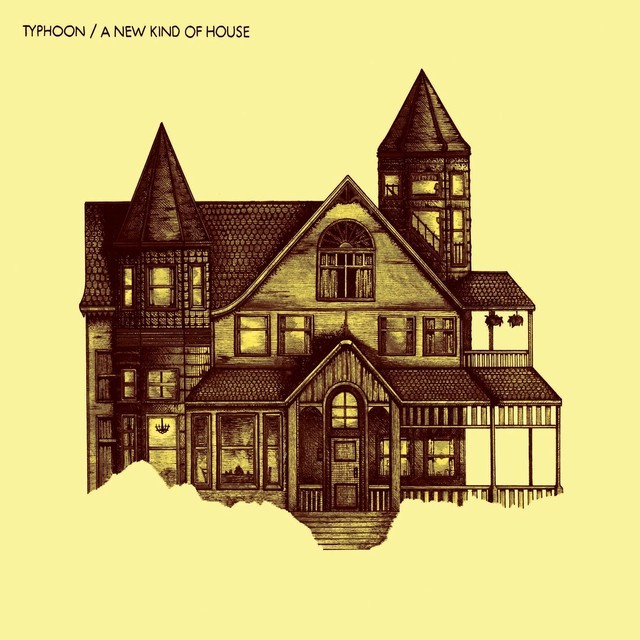
The lyrics to "Firewood" open with a seemingly mundane task – a search for firewood – that quickly veers into a startling act of trespass. The speaker admits, "I stole into a strangers home," immediately establishing a sense of illicit desire and a blurring of personal boundaries. This initial transgression sets a disquieting tone, hinting at a deeper longing.
The central tension emerges as the speaker becomes captivated by the life glimpsed within the stranger's house. "I fell for mantle photographs," they confess, drawn to images of "greener grass" and an idealized existence. The stark contrast between "A wife in white dress, myself in black" suggests an outsider's envious gaze, transforming these aspirational visions into haunting premonitions of regret: "O little ghosts, ghosts, my future heart attacks."
The craft truly shines in the third stanza, where the speaker shifts from physical intrusion to a more detached, yet equally intense, voyeurism. Peering through a "window-pane" with a "lens across the lane," the speaker observes a distorted reality. The powerful imagery of a "Reflected room, oh refracted flame" suggests that the desired life is seen only through a warped perspective, yet the speaker claims it as their own: "That is my home, home / That is where I came from." This twist reveals a deep-seated yearning for belonging, projected onto an imagined reality.
Ultimately, the lyrics pivot towards a moment of profound introspection and a desire for authenticity. The speaker resolves to "travel back to youth / To tell the life that's false from the life that is true." This suggests a reckoning with past choices or a fundamental misunderstanding of their own identity. The closing lines, "And if I borrowed love for you / I will pay my debts, I will start anew," offer a glimmer of hope, indicating a commitment to genuine connection and a departure from the stolen, reflected life.
 View Artist