Song Meaning
Ty Segall's "The Clock" isn't a straightforward narrative; it's a fragmented meditation on time, memory, and the inescapable decay of the mind. The opening lines establish a sense of ennui, of life dragging on, punctuated only by the "anniversaries of the time." These aren't celebrations, but rather stark reminders of moments past, moments "you had outside" – suggesting a yearning for a freedom or vitality now lost. But Segall quickly pivots to the grim reality: "The clock will never show / The wearing and the tearing / Of the mind." This is the crux of the song meaning. Time, as measured by clocks and calendars, is irrelevant to the internal erosion that truly defines aging and experience. It's a powerful acknowledgement that objective reality fails to capture subjective experience.
The second verse introduces a more unsettling element. "O, dear thee / Whose mind I can't unsee" implies a confrontation with something disturbing, perhaps a traumatic memory or a glimpse into the darker recesses of another's psyche. The line "The flesh is not a bind that's / Hard to find" is particularly cryptic, hinting at the ease with which we can become trapped in our physical forms, or perhaps, the readily available temptations of the flesh. The imagery here is less about physical beauty and more about the vulnerability and limitations of the human body as a container for the mind.
Finally, the song concludes with a descent into fractured perception. The mirror becomes a symbol of self-awareness, but also of the inescapable image of aging and decline. "Damned to see the image / You shall see" carries a sense of fatalism. The "quick flash, quick dash" suggests fleeting moments of clarity or insight, but ultimately, "A picture's not a picture easily." Meaning is elusive, memories are fragmented, and the self is a constantly shifting, difficult-to-define entity. "The Clock" is less a song and more a sonic exploration of the anxieties surrounding time, memory, and the fragile nature of consciousness itself.
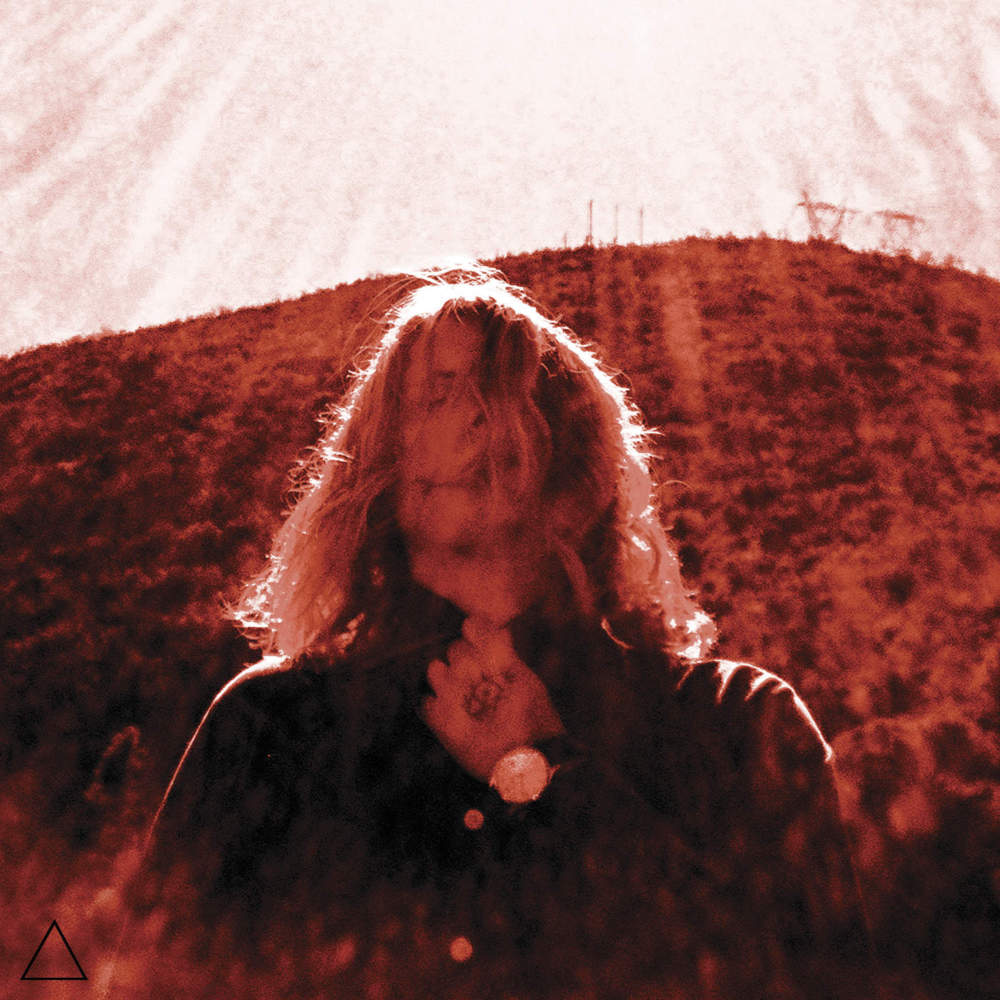
 View Artist