Song Meaning
Ty Herndon's "I Want My Goodbye Back" isn't a simple tale of romantic regret; it's a darkly comic exploration of emotional unraveling. The song's protagonist isn't just lamenting a lost love; he's wrestling with the wreckage of his own actions, presented with a self-awareness that's both unsettling and hilarious. The opening verse, with its broken window and desperate attempts at contact, paints a picture of a man teetering on the edge. It's not just heartbreak, it's a full-blown crisis of self, fueled by a perceived betrayal and an inability to process the pain in a healthy way. The fax machine reference is a beautifully dated touch, highlighting the character's slightly out-of-touch desperation.
The chorus becomes the central plea, a desperate attempt to rewrite history. "I had a momentary, temporary, lack of self control" is a masterclass in understatement, downplaying the severity of his actions while simultaneously acknowledging their consequences. The repeated desire to "get my goodbye back" suggests a need for closure on his own terms, a desire to control the narrative even as he's clearly lost control of everything else. It's a power play disguised as vulnerability, a common defense mechanism when facing rejection. The bridge offers a glimmer of hope, a hint of self-reflection and growth amidst the chaos. He claims to have learned a lot, to know what he can live without and what he lacks. But even this is delivered with a touch of irony, as the very existence of the song suggests he's still far from healed.
Ultimately, the song meaning resides in its exploration of toxic masculinity and the struggle to express emotions in a healthy way. The protagonist's actions, while extreme, are rooted in a deep-seated fear of vulnerability and a desperate need to maintain control. The humor, while present, doesn't mask the underlying pain and the potential for self-destruction. "I Want My Goodbye Back" is a cautionary tale disguised as a country-pop anthem, a reminder that sometimes the most damaging thing we can do is to refuse to let go.
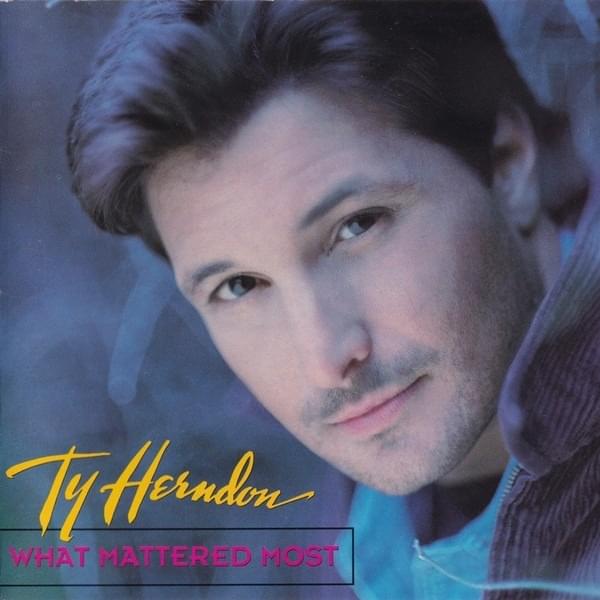
 View Artist