Song Meaning
The lyrics present a stark, almost fatalistic view of love and its absence. The repeated chorus hammers home the idea that a singular failure to "know love" or "show love" at a crucial, undefined "already" moment seals one's fate, preventing any future experience of it. This creates an immediate sense of high stakes and irreversible consequence, framing love not as a fluid emotion but as a binary state determined by a past event.
The central tension lies between a divine commandment and human failing. The narrator laments that "the father create us on earth / To love and obey," a clear purpose that is consistently unmet. The repeated "shame-shame-shame" underscores a deep disappointment, suggesting a spiritual or moral transgression where humanity "displeasing / In so many way." This sets up a conflict between divine intention and earthly reality.
The most striking aspect of the craft is the relentless, almost incantatory repetition. The phrase "never-never know love again" and "never-never show love again" functions like a curse, amplifying the finality of the initial condition. The doubling of "so many way" in the verses also emphasizes the pervasive nature of this displeasing, reinforcing the idea that the failure is widespread and multifaceted.
This lyrical structure is effective because it mirrors the inescapable nature of the pronouncement. The simple, declarative sentences and the insistent rhythm create a sense of undeniable truth, even if the specific context of "already" remains elusive. It forces the listener to confront the potential for a single, defining moment of missed connection to permanently alter one's capacity for love.
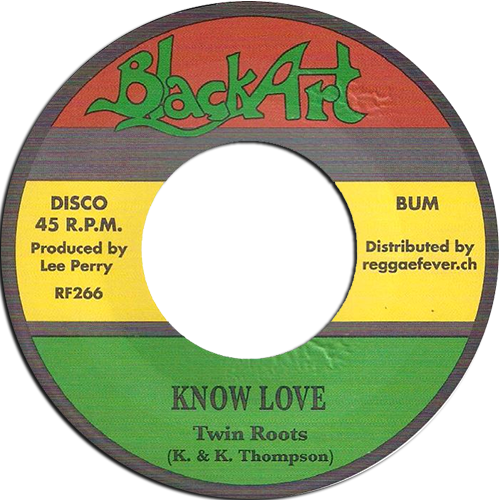
 View Artist