Song Meaning
These lyrics open with a stark, unsettling confession: the speaker feels "better off dead," immediately plunging the listener into a profound sense of despair. This raw vulnerability is quickly followed by a plea for solace, a simple desire to "rest my head," suggesting an exhaustion that goes beyond the physical.
A central tension emerges from a subtle parallel: the speaker admits they "never seem to wait and see," perhaps implying impulsiveness or an inability to endure, while another person, addressed later as "baby," "never seem[s] to wait on me." This mirroring of inaction, one internal and one external, hints at a cycle of missed connections or unfulfilled expectations that exacerbates the speaker's isolation.
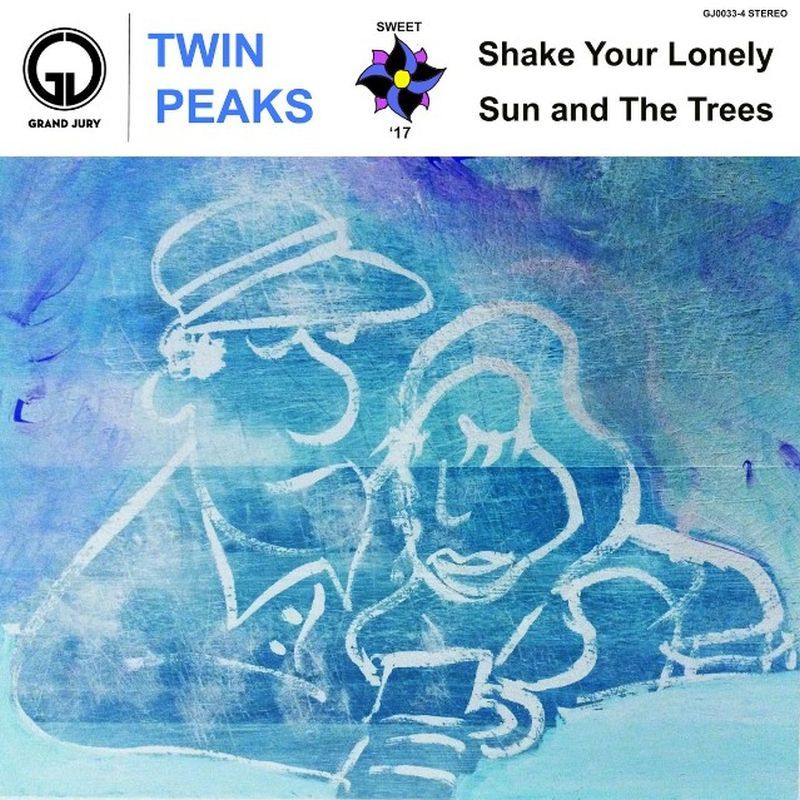
The emotional core of the verse lies in the poignant contrast between a longed-for ideal and a harsh reality. The speaker yearns for a "good friend" with whom they could find simple peace, imagining a scene "beneath the sun and the trees." This idyllic image of natural tranquility stands in stark opposition to the internal turmoil, making the subsequent revelation that "baby's such a bad friend" hit with a quiet, devastating force. The final line, "I've only ever known what I've seen," suggests a weary resignation, as if repeated disappointments have narrowed the speaker's world to a predictable cycle of pain.
 View Artist