Song Meaning
The lyrics immediately plunge into a defensive stance, with the speaker shrugging off criticism. Phrases like "you can say I was unkind" and "talk me down" set up an immediate confrontation. Yet, the speaker insists, "I don't mind," creating a defiant, almost dismissive tone right from the start.
The core tension lies in the speaker's refusal to engage with current accusations, instead redirecting focus to a shared past. The repeated "I don't mind" acts as a shield, but it's quickly followed by a pointed memory: "when I had you hung on the line." This suggests a history of mutual entanglement or precarious situations that the accuser seems to have conveniently forgotten. It's a subtle but sharp counter-accusation, implying a selective memory on the part of the critic.
The phrase "on the line" is the undeniable anchor here, shifting its meaning subtly yet powerfully. In the first verse, "had you hung on the line" implies the speaker's agency, perhaps putting someone in a vulnerable or exposed position. But by the second verse, it evolves to "we both were caught on the line," suggesting a shared predicament, a mutual entanglement where both parties faced risk. This ambiguity allows "on the line" to evoke danger, exposure, or a critical moment, making the repeated chorus feel like a constant, unresolved echo.
The effectiveness of these lyrics stems from this layered ambiguity and the speaker's complex character. The casual dismissal of current insults ("I don't mind") clashes with the sharp recall of past shared vulnerability, implying a deep-seated resentment or a sense of unfairness. It forces the listener to consider the full history between the speaker and the unnamed accuser, suggesting that judgment isn't as simple as it seems. The track leaves us with the unsettling feeling that some past event, still "on the line," continues to define the present.
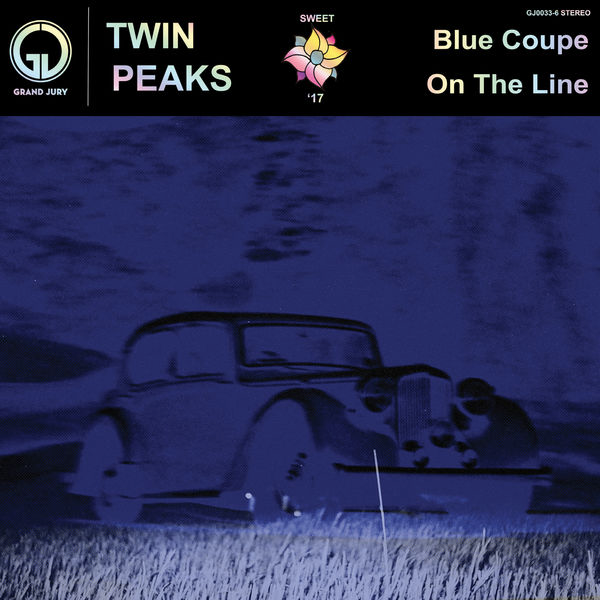
 View Artist