Song Meaning
The narrator grapples with a profound sense of absence, confessing a disconnect between their outward actions and inner reality. They claim to understand love but admit it's untrue, a stark contrast to the persistent presence of a specific person "always on my mind." This internal conflict fuels a desperate desire to avoid the pain of missing them, a feeling so strong it borders on an obsession.
The core tension lies in the narrator's inability to truly connect or move on, despite outward confidence in their ability to charm or rationalize. They can "talk a girl right out of her clothes" and even "kissing your ghost," yet these actions feel hollow, failing to fill the void left by the absent person. The repeated phrase "always on my mind" underscores this inescapable fixation, highlighting a love that is both consuming and unfulfilled.
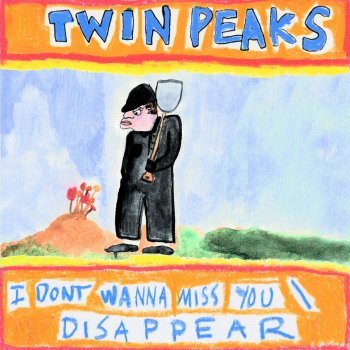
The lyrics take a dark turn in the second verse, revealing a morbid fascination with mortality and loss. The narrator's self-awareness, referencing "psychoanalytic literature," doesn't bring solace but instead leads them to "Cemetery Hill." The chilling game of "Which plot should I fill?" suggests a contemplation of their own demise or perhaps a desire to join the absent person in death, a desperate measure to escape the agony of separation.
This emotional landscape is powerfully rendered through the stark juxtaposition of superficial charm and deep-seated despair. The repeated, almost pleading chorus, "I don't wanna miss you," coupled with the morbid imagery, creates a disquieting portrait of someone trapped by their own thoughts. The writing effectively conveys the suffocating weight of an unrequited or lost love, where even intellectualization offers no escape from the raw, painful reality of absence.
 View Artist