Song Meaning
The lyrics paint a picture of sacred space and a profound invitation. Initially, the narrator acknowledges a transgression, "We had no right to come inside," suggesting an unauthorized entry into a holy place. This changes with the discovery of "the tomb," which seems to legitimize their presence and transform their isolation into a shared experience: "Now we are not alone." A divine voice then extends a welcoming call, a gentle summons "to enter in."
This sets up a central tension between past exclusion and present acceptance. The repeated command "Enter in" acts as both an invitation and a directive, urging the listener to move from a state of separation to one of belonging. The lyrics contrast what was "before" with the promise of "life forevermore," emphasizing a transformative shift that requires leaving behind one's former self.
The most striking craft element is the dual perspective. The first stanza seems to speak from the perspective of those entering, while the subsequent verses shift to a divine voice offering the invitation. This is most evident in the lines "You gently call us home to enter in" followed by "Enter in, come into My presence." This call-and-response structure amplifies the sense of divine outreach and human response, creating a dynamic dialogue.
What makes these lyrics so effective is their direct, almost tactile depiction of spiritual access. The act of "opening up the door" is a tangible metaphor for divine grace and the believer's receptiveness. The repeated emphasis on "presence" and "name" grounds the abstract concept of entering a sacred realm in concrete terms, making the invitation feel both intimate and powerful.
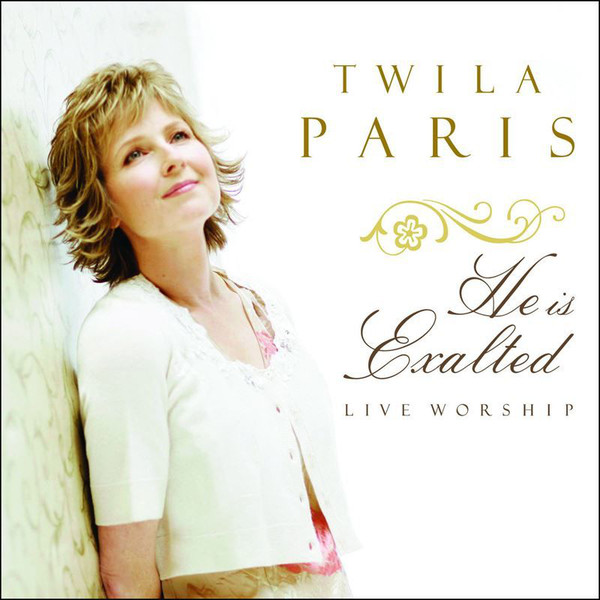
 View Artist