Song Meaning
The lyrics paint a picture of someone utterly spent, seeking refuge and offering complete surrender. The opening lines, "Iltaa, hyvää iltaa" (Good evening, good evening), set a weary, almost formal tone, as the speaker identifies as a "rakkauden runnoma renki" (a servant battered by love) and a "pulloni särkenyt henki" (a spirit whose bottle is broken). This imagery suggests a profound exhaustion and a sense of being broken by past experiences, yet still willing to comply with a request: "Ja täytän toivees, antaudun" (And I'll fulfill your wishes, I surrender).
The central tension lies in the desperate plea of the refrain: "Mut älä revi mua / Älä riko mua / Enempää" (But don't tear me / Don't break me / Any more). Despite offering complete submission, the speaker is terrified of further damage. This creates a poignant conflict between the desire to please and the fear of being completely destroyed by the interaction or relationship. The repetition of "Enempää" (Any more) emphasizes the speaker's current state of being at their absolute limit.
The most striking aspect is the contrast between the speaker's stated willingness to serve and fulfill wishes, and the raw vulnerability expressed in the refrain. They claim to be a "renki" (servant) and "antaudun" (surrender), yet the core message is a plea for preservation. This isn't a confident offering of self, but a desperate attempt to hold onto what little remains after being "runnoma" (battered) and having their "pulloni särkenyt" (bottle broken). The repeated "hiljaa, pysy hiljaa" (quietly, stay quiet) in the second verse further underscores a desire for peace and a lack of further disruption.
This lyrical construction is effective because it taps into a universal feeling of being overwhelmed and fragile. The simple, direct language of the refrain, especially the repeated verbs "revi" (tear) and "riko" (break), creates an immediate emotional impact. The juxtaposition of offering oneself completely while simultaneously begging not to be further harmed is a powerful depiction of emotional exhaustion and the precariousness of a vulnerable state, making the plea for a cessation of pain deeply resonant.
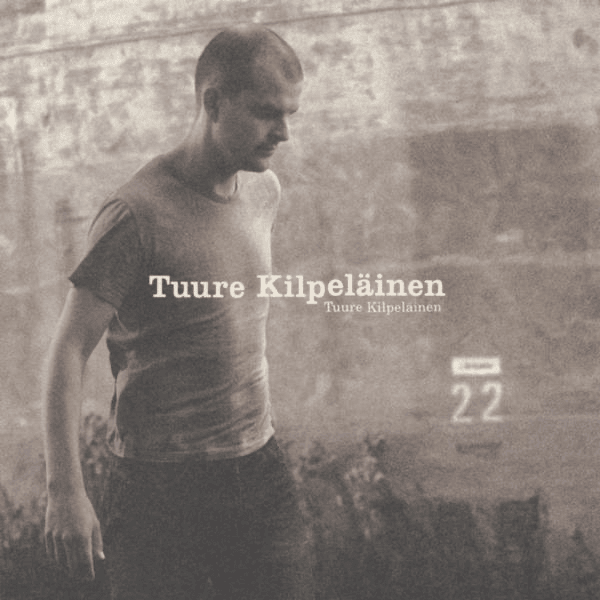
 View Artist