Song Meaning
This track captures a classic generational clash, centering on a young woman's defiance against her mother's strictures. The mother criticizes everything from a short dress to bright makeup, deeming them "not good." The narrator, however, seems to have a simple, repeated response: "ti si samo kazala" (you just said it). This dismissive phrase highlights the growing chasm between the mother's traditional views and the daughter's burgeoning independence.
The core tension lies in the daughter's refusal to internalize her mother's judgments. While the mother voices concerns about appearances and obedience – "nikog ne slusa" (listens to no one), "tako blesava" (so silly) – the daughter's only reaction is to acknowledge the words without accepting them. This passive resistance is amplified by the repeated chorus, "Nemoj da mi gasis radio" (Don't turn off my radio), a plea to preserve her own space and sonic identity, especially when "rock 'n' roll" is playing.
The most striking element is the contrast between the mother's detailed criticisms and the daughter's minimal, almost apathetic, verbal response. The mother laments the "prekratka" (too short) dress and "tako crvena" (so red) makeup, framing them as moral failings. Yet, the daughter's repeated "ti, ti, ti si samo kazala" suggests a profound disconnect, as if the mother's pronouncements are merely background noise, easily brushed aside.
This lyrical approach makes the song resonate by tapping into the universal experience of pushing back against parental expectations. The simple, repetitive structure mirrors the cyclical nature of these arguments, while the defiant chorus acts as an anthem for maintaining personal freedom against external control. The power lies in the understated rebellion, where the daughter's silence and her plea for her radio speak volumes more than any direct confrontation.
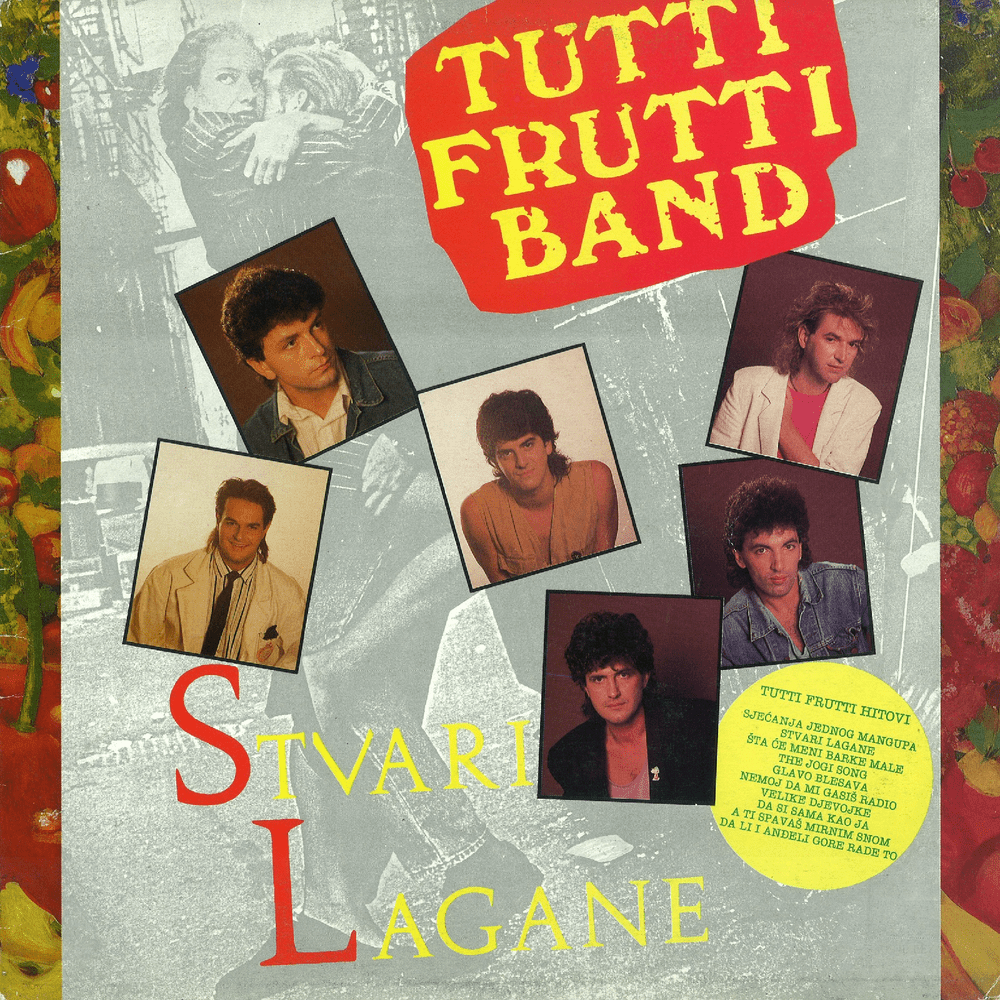
 View Artist